Vegetable glycerin, often listed as glycerol, is a clear, odorless, and slightly sweet liquid derived from plant oils such as coconut, soy, or palm. Known for its powerful moisturizing properties, it is widely used in skincare, food, pharmaceuticals, and DIY remedies due to its ability to attract and retain moisture.
This natural compound plays an important role in improving skin hydration, enhancing product stability, and supporting everyday wellness routines.
Whether you want to upgrade your skincare routine, explore natural health solutions, or create homemade beauty products, vegetable glycerin is a highly versatile ingredient that deserves attention for its wide-ranging benefits and uses.
| Section | Key Points |
| What Is Vegetable Glycerin | Natural plant-derived liquid (glycerol), clear, odorless, sweet, moisture-attracting, used in skincare, food, and pharma |
| Top Benefits | Deep skin hydration improves skin health, supports oral care, aids digestion (controlled use), and enhances product stability |
| Common Uses | Skincare (moisturizers, serums), food industry (sweeteners, preservatives), pharmaceuticals (syrups, capsules), DIY products (soaps, masks) |
| Everyday Applications | Added to moisturizers, mixed with rose water for mist, used in hand sanitizers, applied to hair ends |
| How to Use | Always dilute for skin, use small amounts, apply on damp skin, mix with oils/conditioner for hair, store properly for DIY |
| Natural Skincare Uses | Hydrating toner, moisturizing serum, lip care, face masks |
| Health Uses | Always dilute, patch test before use, avoid overuse internally, store in a cool, dry place |
| Safety & Side Effects | Possible irritation if undiluted, sticky feel in humidity, mild digestive issues if overused |
| Safety Tips | Use less quantity, combine with aloe vera, apply on damp skin, and choose food-grade quality |
| Expert Tips | Using undiluted, overusing, ignoring climate effects, mixing incorrectly |
| Common Mistakes | Using undiluted, overusing, ignoring climate effects, mixing incorrectly |
| Conclusion | Safe, versatile natural ingredient with multiple skincare, health, and DIY benefits when used properly |
What Is Vegetable Glycerin?
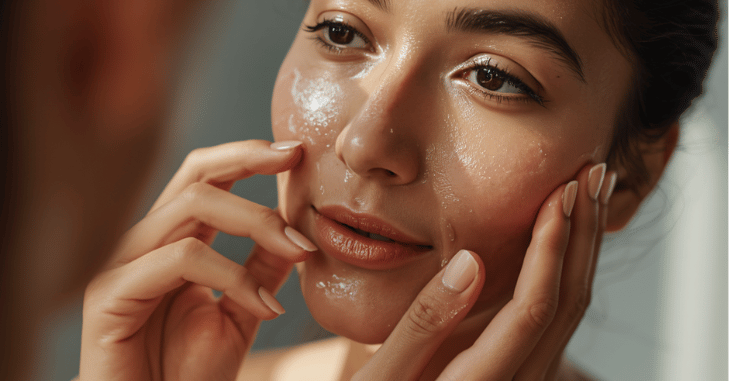
Vegetable glycerin is a natural compound derived from plant-based fats through a process called hydrolysis, where oils such as coconut, soy, or palm are broken down to extract glycerol.
The result is a thick, clear, and water-soluble liquid that has the unique ability to attract moisture from the air and help retain it in whatever product it is used in. It is colorless, odorless, and has a mildly sweet taste, yet it contains very few calories.
Because it is non-toxic, plant-derived, and often suitable for vegan formulations, vegetable glycerin is widely used in cosmetics, food products, herbal extracts, and personal care items to improve texture, stability, and hydration.
Top Benefits
Offers a wide range of benefits across skincare, health, and household uses. Its natural humectant properties and versatility make it a valuable ingredient in both personal care and everyday products. Below are the key benefits explained in detail.
Deep Skin Hydration
Vegetable glycerin is a powerful humectant, meaning it attracts moisture from the environment into the skin. This helps keep the skin hydrated for longer periods and improves overall softness. Regular use can make the skin feel smoother and more supple while reducing dryness and flaking.
Improves Skin Health
Consistent use of vegetable glycerin can significantly enhance the appearance and condition of the skin. It works to smooth rough texture and promote a more even, healthy look. Its soothing properties can help calm irritation and redness, making it suitable for sensitive skin.
Supports Oral Health
It is commonly found in natural oral care products such as toothpaste and mouthwash. It helps maintain moisture in the mouth, which can be beneficial for those who experience dryness. Its mild sweetness improves the taste of oral products without the need for sugar.
Aids digestive health.
When used in small, controlled amounts, it can act as a gentle laxative. It helps promote bowel movements and can provide relief from occasional constipation.
However, it is important to use it carefully and under proper guidance, as excessive consumption may lead to discomfort or unwanted side effects.
Enhances Product Stability
Vegetable glycerin plays an important role in maintaining the quality and consistency of various products. It helps retain moisture, preventing cosmetics and food items from drying out. This property also extends the shelf life of products.
Common Uses
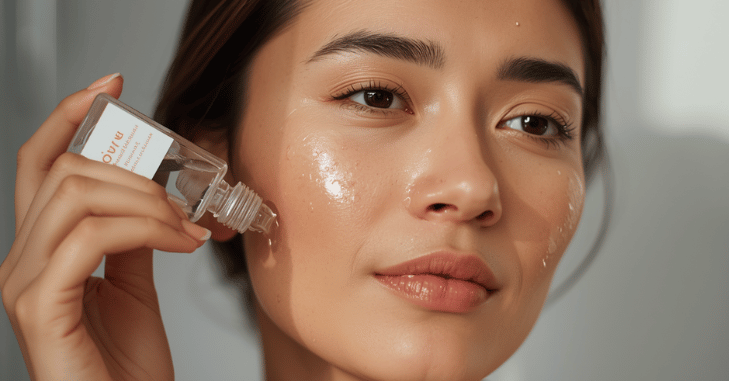
Vegetable glycerin is used across multiple industries due to its versatility.
Skincare & Beauty
- Moisturizers and lotions
- Soaps and cleansers
- Serums and toners
- Lip balms
Food Industry
- Sweetener in low-carb foods
- Preservative in baked goods
- Ingredient in beverages and syrups
Pharmaceutical Uses
- Base for cough syrups
- Ingredient in capsules and medicines
- Used in wound care products
DIY & Household Uses
- Homemade skincare products
- Natural air fresheners
- Bubble solutions
- Herbal tinctures
Everyday Applications of Vegetable Glycerin
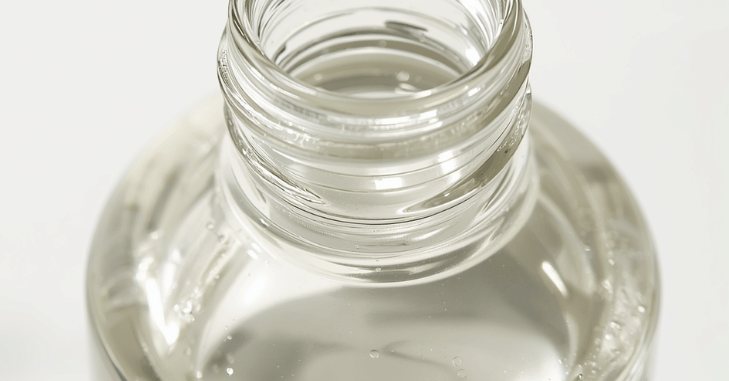
Vegetable glycerin can be easily incorporated into your daily routine in several simple and effective ways. You can add a few drops to your regular moisturizer to boost hydration and keep your skin soft and smooth throughout the day.
Mixing it with rose water creates a refreshing facial mist that helps maintain moisture and gives your skin a natural glow. It can also be used as an ingredient in DIY hand sanitizers to help prevent dryness caused by alcohol-based formulas.
How to Use Vegetable Glycerin Effectively
Skin
- Always dilute with water or rose water
- Use a few drops only
- Apply on damp skin for best absorption
Hair
- Mix with conditioner or water
- Avoid applying directly in large amounts
- Use as a leave-in treatment for dry ends
DIY Products
- Combine with essential oils and water
- Use as a base for serums and sprays
- Store in clean, airtight containers
Natural Skincare Uses
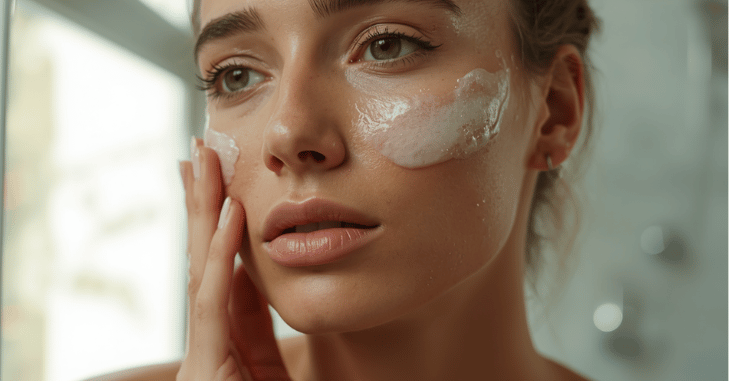
- Hydrating Toner: Mix glycerin with rose water
- Moisturizing Serum: Combine with aloe vera gel
- Lip Care: Use as a base for lip balms
- Face Masks: Add to clay masks for hydration
Health Uses
While vegetable glycerin is mostly used externally, it also has some internal health-related applications when used carefully and in proper amounts.
Health-Related Applications
- Commonly used to create herbal glycerites, helping extract and preserve plant compounds
- Serves as a mild, low-glycemic sweetener in certain diets and sugar-free products
- Often included in syrups to help soothe throat irritation and dryness
- Helps retain moisture in formulations, making oral remedies more effective and palatable
- May support gentle digestive relief when used in controlled quantities
Safety and Side Effects
It is generally considered safe for most people when used correctly. However, improper use or overuse can sometimes lead to minor issues, especially for those with sensitive skin or when taken internally without proper guidance.
Possible Side Effects
Using undiluted skin may cause irritation or sensitivity in some individuals, particularly those with delicate or reactive skin types. In humid environments, it can leave a slightly sticky or heavy feeling on the skin due to its moisture-attracting properties.
Safety Tips
To use it safely, it is important to dilute it with water, rose water, or other suitable ingredients before applying it to the skin. Performing a patch test beforehand can help prevent unwanted reactions. If using it internally, avoid excessive consumption and follow recommended guidelines or professional advice.
Expert Tips for Best Results
- Use in small quantities; less is more
- Combine with hydrating ingredients like aloe vera
- Apply to damp skin to lock in moisture
- Avoid using it in very dry environments
- Choose high-quality, food-grade glycerin
Common Mistakes to Avoid
- Applying directly without dilution
- Using too much product
- Ignoring climate conditions (dry vs humid)
- Mixing with incompatible ingredients
Conclusion
Vegetable glycerin is a highly versatile, natural ingredient that offers numerous benefits for skincare, health, and everyday applications. From deep skin hydration and improved skin health to supporting oral care, hair care, and gentle health uses, it plays an important role in many natural routines.
When used correctly, vegetable glycerin helps lock in moisture, enhance DIY beauty products, and improve overall product stability, making it a valuable addition to modern wellness practices.
However, the key to getting the best results lies in proper use: always dilute it, apply it mindfully, and choose high-quality, food-grade vegetable glycerin. By understanding its benefits, uses, safety, side effects, and expert tips, you can safely incorporate it into your daily routine.
Want to know about Why Am I Having So Many Braxton-Hicks Contractions? A Complete Guide to Causes, Triggers, Symptoms, and When to Be Concerned During Pregnancy Check out our Health category.
FAQs
Vegetable glycerin is a flexible, odorless, plant-based liquid that is mostly used as a humectant to moisturize skin and hair. It is an essential component of food, medication, and cosmetics.
Halal Plant-Based Glycerin: Generally regarded as Halal, plant-based glycerin is made from vegetable oils (such as palm, coconut, or soybean).
Plants or animal fats are the source of natural glycerin. Soy, rapeseed, coconut oil, and palm oil are common sources of vegetable-based glycerin.
Glycerin must be diluted before being used directly. It’s simple and usually quite safe to apply diluted glycerin to the face.