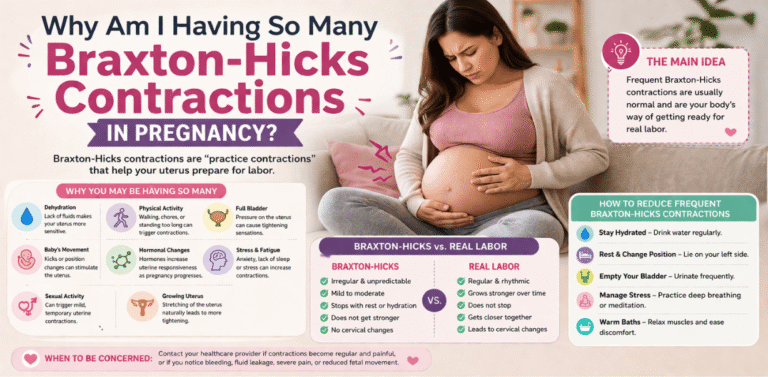
Pregnancy is a remarkable journey filled with constant changes in a woman’s body, and one of the most common yet confusing experiences during this time is the occurrence of Braxton-Hicks contractions. These irregular tightening sensations in the uterus often appear in the second or third trimester and can sometimes happen frequently enough to cause concern.
Many expecting mothers begin to wonder, “Why am I having so many Braxton-Hicks contractions?” The answer lies in the body’s natural preparation for labor, as the uterus practices contracting and relaxing to get ready for childbirth.
However, the frequency of these contractions can increase due to several factors, such as dehydration, physical activity, stress, a full bladder, or the growing sensitivity of the uterus as pregnancy progresses. While they may feel uncomfortable or alarming at times, Braxton-Hicks contractions are usually a normal part of pregnancy.
| Section | Key Point |
| What Are Braxton-Hicks | Irregular, painless, or mild tightening that prepares the uterus for labor |
| Main Idea | Increased contractions are usually a normal part of the pregnancy changes |
| Definition | “Practice contractions” that do not cause labor or cervical opening |
| Uterine Role | Helps the uterus get ready for real labor contractions |
| Common Experience | Frequency varies widely between women |
| Dehydration | Lack of fluids makes the uterus more sensitive and reactive |
| Physical Activity | Walking, chores, and standing too long can trigger contractions |
| Full Bladder | Pressure on the uterus can cause tightening sensations |
| Baby Movement | Kicks and position changes can stimulate contractions |
| Hormones | Pregnancy hormones increase uterine responsiveness |
| Uterine Growth | Stretching uterus naturally becomes more active |
| Stress Factor | Anxiety and emotional tension increase muscle tightening |
| Fatigue | Lack of rest makes contractions more noticeable |
| Sexual Activity | Can temporarily trigger mild uterine contractions |
| Third Trimester | The most common time for frequent Braxton-Hicks |
| Normal Pattern | Irregular, short-lived, and non-progressive contractions |
| Not Labor | Do not become stronger or more regular over time |
| Real Labor Signs | Regular timing, increasing pain, and cervical changes |
| Warning Signs | Bleeding, fluid leakage, or severe pain require medical attention |
| Hydration Remedy | Drinking water often reduces frequency |
| Rest Strategy | Lying on the left side improves blood flow |
| Bladder Care | Frequent urination prevents uterine irritation |
| Stress Relief | Breathing exercises and relaxation help reduce contractions |
| Warm Baths | Relax muscles and ease uterine tightness |
| Individual Differences | Each pregnancy experiences contractions differently |
What Are Braxton-Hicks Contractions?
Braxton-Hicks contractions are intermittent tightening sensations in the uterus that usually begin after mid-pregnancy. They are often described as:
- A tightening or hardening of the abdomen
- Mild discomfort or pressure
- Irregular and unpredictable sensations
- Short-lasting episodes that come and go
- They are often called “practice contractions” because they help the uterus prepare for labor, even though they do not actually cause childbirth to begin.
Why Am I Having So Many Braxton-Hicks Contractions?

Experiencing frequent Braxton-Hicks contractions is common during pregnancy, but the intensity and frequency can vary widely from one woman to another, depending on how the body responds to pregnancy changes. If you are wondering why I am having so many Braxton-Hicks contractions, the answer usually lies in a combination of physical and lifestyle factors that make the uterus more sensitive and reactive.
Why am I having so many Braxton-Hicks contractions? As pregnancy progresses, the uterus naturally becomes more active in preparing for labor, which can lead to more noticeable tightening episodes. This frequency can further increase due to dehydration, physical exertion, stress, lack of rest, or even a full bladder, all of which can stimulate uterine muscles.
Since every pregnancy is unique, some women may barely notice Braxton-Hicks, while others may experience them often throughout the day. In most cases, these contractions remain harmless as long as they are irregular, short-lived, and not accompanied by signs of true labor.
1. Dehydration and Low Fluid Intake
One of the biggest triggers is dehydration. When your body does not have enough water, the uterus becomes more sensitive and irritable.
This can lead to:
- More frequent tightening
- Stronger sensations
- Increased uterine activity
- Even mild dehydration can trigger contractions, especially in hot weather or during physical activity.
2. Increased Physical Activity
Overexertion is another major cause. When you are on your feet for long periods or engaging in physical tasks, the uterus may respond with tightening.
Common triggers include:
- Walking long distances
- Household chores like cleaning or cooking
- Standing for extended periods
- Exercise without enough rest
- Your body is working harder during pregnancy, so even normal activity can sometimes trigger contractions.
3. Full Bladder Pressure
A full bladder can press against the uterus and irritate it, causing contractions.
This is why Braxton-Hicks often:
- Start suddenly when you haven’t urinated
- Ease after using the bathroom
- Regular bathroom breaks can significantly reduce their frequency.
4. Baby’s Movement and Position
As your baby grows, movements become stronger and more noticeable. These movements can stimulate the uterus and trigger contractions.
You may notice Braxton-Hicks:
- After the baby kicks or stretches
- When the baby changes position
- During active fetal movement periods
5. Hormonal Changes in Pregnancy
Pregnancy hormones continuously affect the uterus. These hormonal shifts help prepare the body for labor, making the uterus more responsive over time.
As pregnancy progresses:
- The uterus becomes more sensitive
- Contractions may become more noticeable
- Frequency can increase in the third trimester
6. Stress, Anxiety, and Emotional Tension
Emotional stress can directly affect muscle activity in the body, including the uterus.
Stress-related triggers may include:
- Anxiety about pregnancy or delivery
- Lack of sleep
- Emotional overload
- Daily life pressure
- Relaxation often reduces contraction frequency.
7. Sexual Activity and Orgasm
After sexual activity, the uterus may contract temporarily. This is due to hormonal responses and physical stimulation.
These contractions are:
- Usually harmless
- Short-lived
- Not a sign of labor
8. Growing Uterus and Stretching
As your pregnancy progresses, your uterus expands significantly. This stretching naturally causes increased sensitivity.
This can result in:
- More frequent tightening
- Mild discomfort in the abdomen
- Sensations that feel like contractions
How Braxton-Hicks Feel Compared to Real Labor?

Understanding the difference is very important for peace of mind.
Braxton-Hicks Contractions
- Irregular and unpredictable
- Mild to moderate intensity
- Often stop for rest or hydration
- Do not increase steadily
- Do not cause cervical dilation
True Labor Contractions
- Regular and rhythmic
- Grow stronger over time
- Do not stop with rest or water
- Become closer together
- Lead to cervical changes
Are Frequent Braxton-Hicks Normal?
Yes, frequent Braxton-Hicks contractions are usually completely normal, especially during the third trimester of pregnancy when the body is actively preparing for labor. Many women notice them occurring more often due to several common factors, such as increased uterine sensitivity, higher levels of daily physical activity, lower fluid intake or dehydration, and even stress or fatigue that affects the body’s overall balance.
As the uterus grows and becomes more responsive, it naturally tightens more frequently in response to these triggers. However, while these contractions can feel concerning when they happen often, frequency alone is not usually a sign of a problem.
When Should You Be Concerned?

You should contact a healthcare provider if you notice:
- Contractions are becoming regular and painful
- Vaginal bleeding or spotting
- Fluid leakage or water breaking
- Severe abdominal or back pain
- Reduced fetal movement
- Contractions before 37 weeks that increase in intensity
- These could indicate preterm labor or another complication.
How to Reduce Frequent Braxton-Hicks Contractions?
| Method | How It Helps |
| Stay Hydrated | Drinking water regularly helps reduce uterine irritation and lowers contraction frequency. |
| Rest and Change Position | Lying on the left side improves blood flow and reduces pressure on the uterus. |
| Empty Your Bladder Often | Prevents bladder pressure from triggering uterine contractions. |
| Reduce Physical Strain | Avoiding overexertion helps prevent the uterus from becoming too active. |
| Manage Stress | Relaxation techniques like deep breathing and meditation help reduce muscle tension. |
| Warm Baths or Relaxation Techniques | Warm water relaxes uterine muscles and can ease contraction discomfort. |
Why Some Women Have More Braxton-Hicks Than Others?
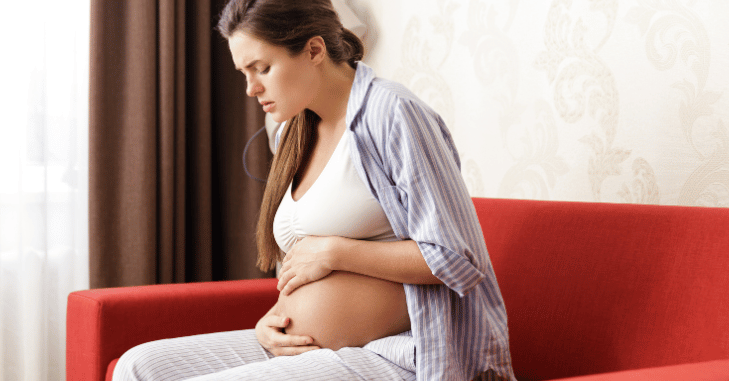
Every pregnancy is different. Some factors that influence frequency include:
- First pregnancy vs. multiple pregnancies
- Uterine sensitivity levels
- Activity and lifestyle habits
- Hydration and nutrition
- Emotional stress levels
- Baby’s size and position
Conclusion
Why am I having So Many Braxton-Hicks contractions? The answer is usually a combination of normal pregnancy changes, hydration levels, activity, stress, and uterine sensitivity. These contractions are your body’s natural way of preparing for labor and are generally harmless when they remain irregular and mild.
While they can feel uncomfortable or even concerning at times, they are typically a normal part of pregnancy. Paying attention to your body, staying hydrated, resting well, and knowing the warning signs of real labor can help you feel more confident and prepared. If anything feels unusual or worrying, contacting a healthcare provider is always the safest choice.
Want to know about What to Eat After Wisdom Teeth Removal? Expert Dietary Guidelines for Safe Healing, Reduced Pain, and Smooth Recovery from Day 1 to Full Recovery Check out our Health category.
FAQs
You may experience frequent Braxton-Hicks contractions because your uterus is naturally preparing for labor. They can increase due to dehydration, physical activity, stress, a full bladder, or the growing sensitivity of the uterus as pregnancy progresses.
Yes, frequent Braxton-Hicks contractions are usually normal, especially in the second and third trimesters. They are typically harmless as long as they remain irregular, mild, and do not become stronger or more regular over time.
Braxton-Hicks contractions are irregular, mild, and often stop with rest or hydration. Real labor contractions are regular, get stronger over time, and do not go away with rest or drinking water.
Common triggers include dehydration, walking or standing too long, stress, a full bladder, baby movements, and hormonal changes in the body.
You can reduce them by drinking plenty of water, resting on your left side, emptying your bladder regularly, managing stress, and avoiding overexertion.
You should seek medical advice if contractions become regular and painful, occur before 37 weeks, or are accompanied by bleeding, fluid leakage, severe pain, or reduced baby movement.