What to eat after wisdom teeth removal? It is an important part of recovery because the right diet helps protect the healing gums, reduce pain, and prevent complications such as infection or dry socket. During the initial healing phase, it is best to consume soft, smooth, and easy-to-swallow foods that do not require chewing, such as lukewarm soups, yogurt, smoothies (without seeds), applesauce, and mashed bananas.
These provide nourishment without disturbing the surgical site. As healing continues, more filling yet still gentle foods like mashed potatoes, scrambled eggs, oatmeal, soft pasta, and well-blended vegetable or lentil soups can be introduced to support energy levels and tissue repair.
Gradually, patients can transition to semi-soft foods such as steamed vegetables, soft rice, and tender meats as comfort improves. Choosing nutrient-rich foods that are high in protein, vitamins, and hydration also plays a key role in speeding up recovery, while avoiding anything hard, spicy, crunchy, or hot ensures the extraction site heals properly and comfortably.
| Section | Key Points |
| Purpose of Diet | Supports healing, reduces pain, and prevents dry socket and infection. |
| Day 1 Diet | Only liquids: water, broth, milk, smoothies (no chewing). |
| Early Soft Foods | Yogurt, applesauce, pudding, mashed banana, blended soups. |
| Protein Foods | Scrambled eggs, Greek yogurt, tofu, lentil puree, chicken soup. |
| Soft Solid Foods | Mashed potatoes, soft pasta, rice, pancakes, soft bread. |
| Fruits Allowed | Banana, avocado, applesauce, ripe melon (soft or mashed). |
| Vegetables Allowed | Steamed carrots, peas, zucchini, soft-cooked veggies. |
| Foods to Avoid | Chips, nuts, popcorn, spicy foods, acidic foods, hot drinks. |
| Sticky Foods | Caramel, chewing gum, toffee (can damage stitches). |
| Drinks Allowed | Water, coconut water, milk, and herbal tea (no straws). |
| Important Habits | Eat slowly, chew opposite side, keep food lukewarm. |
| Oral Care | Gentle saltwater rinse after meals to keep the area clean. |
| Healing Nutrients | Protein, Vitamin C, calcium, and anti-inflammatory foods. |
| Recovery Timeline | Liquid → soft → semi-soft → normal diet in 7–14 days. |
| Key Warning | Stop if pain, bleeding, swelling, or bad taste increase. |
What to Eat After Wisdom Teeth Removal?

What to eat after wisdom teeth removal? It is a crucial part of recovery because the foods you choose can either support healing or cause complications. In the first 24–48 hours, it is especially important to focus on very soft, cool, or lukewarm foods that do not require chewing, such as liquids, smoothies, yogurt, applesauce, and blended soups, as these help protect the blood clot and reduce irritation at the extraction site.
As healing progresses, patients can slowly introduce slightly thicker and more nutritious foods like mashed potatoes, scrambled eggs, oatmeal, and soft pasta, which provide essential energy and protein for tissue repair. Gradually, soft solids such as steamed vegetables and tender meats can be added as comfort improves.
Following the right diet not only helps reduce pain and swelling but also lowers the risk of infection and dry socket, ensuring a smoother and faster recovery process overall. Following your dentist’s dietary instructions carefully can further ensure a safe recovery and help you return to your normal eating habits more quickly.
Why Food Choices Matter After Wisdom Teeth Removal?
After extraction, your gums form blood clots that act as a protective barrier for healing. Eating the wrong foods can disturb these clots and delay recovery.
Proper nutrition helps:
- Speed up gum and tissue healing
- Reduce swelling and pain
- Prevent infection
- Maintain energy during recovery
- Avoid dry socket (a painful complication caused by clot dislodgement)
- Your diet is just as important as medication and rest during recovery.
Best Foods to Eat After Wisdom Teeth Removal
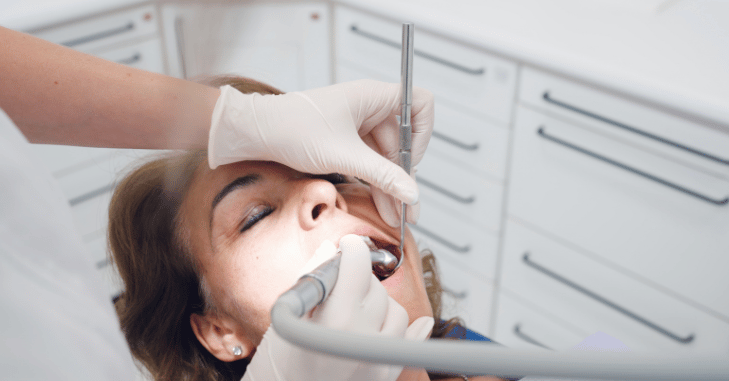
In the first 24–48 hours, your mouth is extremely sensitive.
Recommended foods:
- Water (room temperature)
- Lukewarm clear soups (broth-based)
- Apple juice (non-acidic, diluted)
- Milk
- Smooth yogurt
- Meal replacement drinks
Smooth and Creamy Foods (Early Healing Phase)
As pain and swelling reduce slightly, you can introduce soft, creamy foods.
Best options:
- Mashed bananas
- Applesauce
- Smooth puddings
- Custard
- Protein shakes
- Blended oatmeal
- Cream-based soups
- These foods provide energy while staying gentle on healing gums.
Soft Protein-Rich Foods (Repair Stage)
Protein plays a vital role in rebuilding tissues and speeding up the healing process after wisdom teeth removal. Including protein-rich foods in your diet helps repair damaged gums and supports overall recovery.
Soft and easy-to-eat options such as scrambled eggs (soft and fluffy), Greek yogurt, soft tofu, cottage cheese, blended chicken soup, and lentil puree are highly recommended during this stage. These foods not only provide essential nutrients but also help restore strength, promote gum regeneration, and support the body’s natural healing process.
Soft Solid Foods (Mid-Recovery Stage)
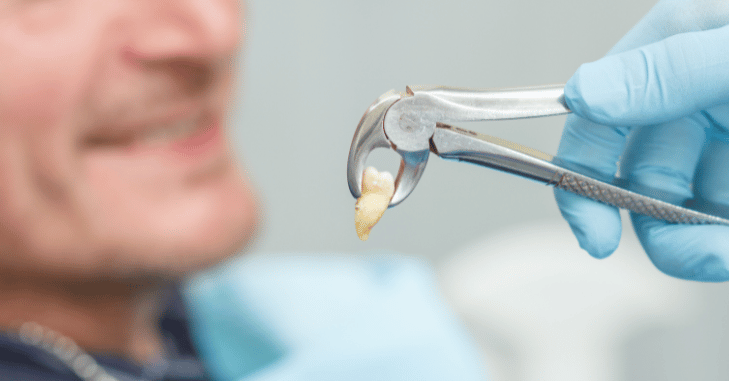
After a few days of recovery, you can slowly begin introducing foods with more texture as your healing progresses. Safe options at this stage include mashed potatoes, soft pasta, well-cooked rice, soft bread without crust, pancakes, and gently steamed vegetables.
These foods are easy to chew and gentle on the healing gums while still providing more substance and variety in your diet. Gradually adding these foods helps your mouth adjust comfortably and supports a smooth transition back to a normal, regular diet.
Nutrient-Dense Healing Foods
Certain nutrients speed up recovery significantly.
Protein
- Eggs
- Chicken
- Beans
Vitamin C
- Smooth fruit purees
- Blended berries
- Diluted orange juice
Calcium
- Milk
- Cheese
- Yogurt
Anti-inflammatory Foods
- Oatmeal
- Avocado
- Bone broth
Foods to Avoid After Wisdom Teeth Removal
1. Hard and Crunchy Foods
Hard and crunchy foods such as chips, nuts, popcorn, and crackers should be avoided after wisdom teeth removal because they can easily damage the stitches or irritate the healing wound. These foods may also get stuck in the extraction site, increasing the risk of infection and slowing down the recovery process.
2. Spicy Foods
Spicy foods such as hot sauces, chili peppers, and spiced curries should be avoided after wisdom teeth removal because they can irritate sensitive gums and increase discomfort. These foods may also cause burning sensations and slow down the healing process of the surgical area.
3. Acidic Foods and Drinks
Acidic foods and drinks such as citrus fruits, soda, and vinegar-based items should be avoided after wisdom teeth removal because they can cause a burning sensation and increase discomfort in the healing gums.
4. Hot Foods and Beverages
Hot foods and beverages such as hot tea and freshly boiled soups should be avoided after wisdom teeth removal because excessive heat can dissolve the protective blood clots forming at the extraction site.
5. Sticky or Chewy Foods
Sticky and chewy foods such as caramel, chewing gum, and toffee should be avoided after wisdom teeth removal because they can stick to the surgical site or stitches. This may irritate the healing area, pull on the stitches, and increase the risk of pain or delayed recovery.
6. Alcohol and Smoking
Alcohol and smoking should be strictly avoided after wisdom teeth removal because they delay the healing process and significantly increase the risk of infection and dry socket. These habits can also irritate the surgical site and interfere with proper blood clot formation, leading to complications and prolonged recovery.
Day-by-Day Eating Plan After Surgery
Critical Healing Phase
- Only liquids
- Avoid chewing completely
- Focus on hydration and rest
Soft Recovery Phase
- Yogurt
- Mashed potatoes
- Applesauce
- Smooth soups
Transition Phase
- Scrambled eggs
- Soft pasta
- Oatmeal
- Soft fruits
Advanced Soft Diet
- Steamed vegetables
- Soft bread
- Shredded chicken
- Rice dishes
After 1 Week
- Gradual return to normal diet
- Avoid hard foods until fully comfortable
Drinks You Can Have Safely

- Water (most important)
- Coconut water
- Herbal tea (lukewarm)
- Milk
- Protein shakes
- Avoid using straws, as suction can dislodge healing clots.
Important Eating Guidelines for Faster Recovery
After wisdom teeth removal, it is important to eat slowly and carefully to avoid putting pressure on the healing area. Try to chew on the opposite side of the extraction site so that food does not disturb the blood clot or cause irritation.
Always keep your food lukewarm rather than hot, as high temperatures can slow down the healing process and increase discomfort. Avoid using straws completely because the suction can dislodge the clot and lead to complications like dry socket.
After meals, gently rinse your mouth with salt water to keep the area clean and reduce the risk of infection. In addition, make sure to maintain good hydration throughout the day by drinking plenty of water, as it supports overall healing and helps keep your mouth clean and fresh.
Common Mistakes to Avoid
- Eating hard foods too early
- Drinking through straws
- Skipping meals due to pain
- Not drinking enough fluids
- Ignoring dentist’s instructions
- Smoking during recovery
Signs Your Diet May Be Affecting Healing
| Sign to Watch For | What It Means |
| Increasing pain after eating | May indicate irritation, infection, or delayed healing |
| Persistent bleeding | A blood clot may be disturbed, or healing may not be normal |
| Bad taste or odor in the mouth | Possible infection or food trapped in the socket |
| Swelling is worsening instead of improving | Could signal infection or inflammation |
| Food trapped in the extraction site | Increases risk of infection and discomfort |
| Immediate Action | Contact your dentist without delay for proper treatment |
Conclusion
What to eat after wisdom teeth removal? Choosing soft, nutrient-rich foods in the early stages helps protect the surgical site, maintain comfort, and support the formation of healthy tissue, while gradually introducing more textured foods allows the mouth to regain normal function without strain.
Avoiding hard, spicy, sticky, and hot foods significantly reduces the risk of pain, infection, and dry socket, making the recovery process much more manageable. By staying consistent with recommended dietary guidelines, maintaining good hydration, and following your dentist’s instructions.
Want to know about Prioritize your well-being with our Health section. Stay informed on medical insights, wellness tips, and lifestyle choices. Join us on the path to a healthier and happier you. Check out our Health category.
FAQs
In the first 24–48 hours, you should only consume soft, cool, or lukewarm liquids such as water, broth, milk, smoothies (without seeds), yogurt, and blended soups. These foods help protect the blood clot and reduce irritation at the surgical site.
Most people can gradually return to normal foods after 7–14 days, depending on healing speed. You should start with soft foods like mashed potatoes and scrambled eggs before moving to regular-texture meals.
Protein-rich foods such as eggs, yogurt, lentil puree, tofu, and soft chicken soup help repair tissues. Foods rich in vitamin C, calcium, and anti-inflammatory nutrients also support faster recovery.
Avoid hard, crunchy, spicy, acidic, hot, sticky foods, as well as alcohol and smoking. These can disturb healing, cause pain, or lead to complications like dry socket or infection.
No, hot drinks like tea or soup should be avoided in the early healing phase because heat can dissolve blood clots. Always choose lukewarm or cool beverages to ensure safe recovery.