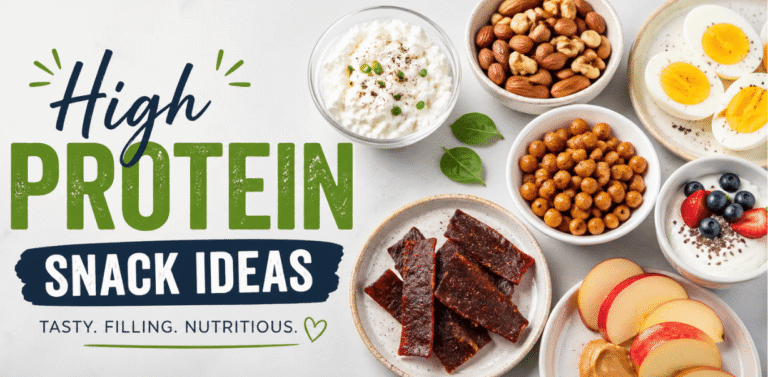
The best high protein snack ideas are simple whole foods that deliver roughly 10 to 20 grams of protein in a few hundred calories: Greek yogurt, cottage cheese, hard-boiled eggs, edamame, tuna or chicken, jerky, roasted chickpeas, and nuts or seeds paired with another protein source. A snack in that range takes the edge off hunger between meals, helps you hit your daily protein target and is far more filling than chips or cookies. Below you will find 15 snack ideas with approximate protein per serving, quick recipes, options for vegetarians and people on the go, and tips for choosing packaged protein snacks wisely.
Why high-protein snacks help
Protein is one of the three macronutrients, alongside carbohydrates and fat. It is used to build and repair muscle and other tissues, and it tends to be more satiating than the same number of calories from refined carbohydrates. Pairing protein with fiber or healthy fat slows digestion further, which is why a yogurt with berries keeps you fuller than a pastry. Practical benefits include:
- Better appetite control between meals, which can make it easier to avoid grazing on sugary foods.
- Muscle support, especially when you spread protein across the day and after strength training.
- Steadier energy, because a protein-based snack avoids the quick rise and fall that comes with sweets.
- Easier daily targets for people with higher needs, such as active adults and older adults trying to maintain muscle.
For context, the US Recommended Dietary Allowance for protein is 0.8 grams per kilogram of body weight per day for most healthy adults, which is about 54 grams for a 150-pound (68 kg) person. Athletes, older adults and people losing weight are often advised to eat more, but individual needs vary, so check with a doctor or registered dietitian if you have kidney disease or another medical condition.
Protein in popular snacks at a glance
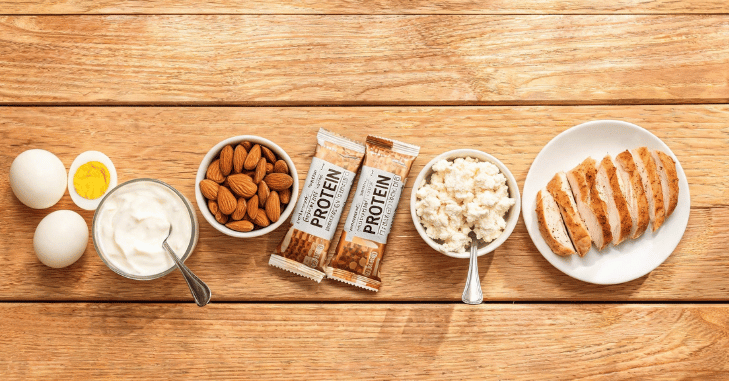
Values below are approximate and vary by brand and preparation. Check the Nutrition Facts label for packaged foods.
| Snack | Serving | Approx. protein | Good for |
|---|---|---|---|
| Plain nonfat Greek yogurt | 6 oz (170 g) | 15 to 18 g | Breakfast, post-workout |
| Low-fat cottage cheese | 1/2 cup | 12 to 14 g | Evening, savory or sweet |
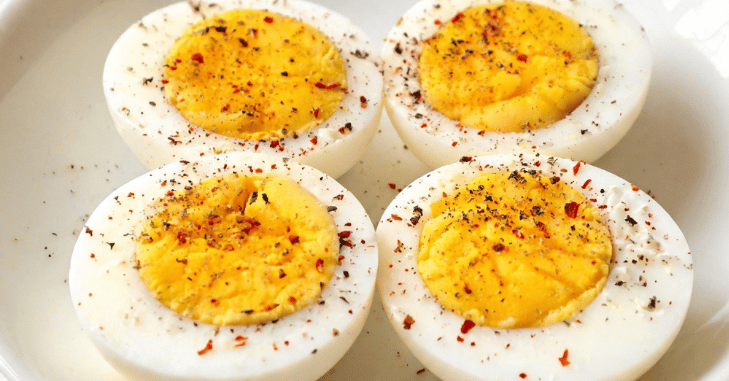
| Hard-boiled eggs | 2 large | About 12 g | Portable, low carb |
| Shelled edamame | 1 cup | About 17 g | Plant-based, high fiber |
| Canned tuna in water | 3 oz | About 20 g | Lean, filling |
| Cooked chicken breast | 3 oz | About 25 g | Meal-prep snack |
| Beef or turkey jerky | 1 oz | 9 to 12 g | Travel, desk drawer |
| String cheese | 1 stick | 6 to 8 g | Kids, lunch boxes |
| Roasted chickpeas | 1/2 cup | 6 to 8 g | Crunchy chip swap |
| Pumpkin seeds | 1 oz | 7 to 9 g | Plant-based, magnesium |
| Almonds | 1 oz (about 23) | About 6 g | Healthy fats, fiber |
| Peanut butter | 2 tbsp | 7 to 8 g | Pairs with fruit or toast |
15 high protein snack ideas
1. Hard-boiled eggs
Eggs provide complete protein along with vitamin B12, choline and vitamin D. Cook a batch of six to twelve at the start of the week: place eggs in boiling water for about 10 to 12 minutes, cool them in ice water, and keep them in the fridge for up to a week. Season with salt, pepper and smoked paprika, or halve them with a spoon of hummus instead of mayonnaise for a quick deviled-egg style bite.
2. Greek yogurt power bowl
Strained Greek yogurt typically has about twice the protein of regular yogurt. Build a bowl with 3/4 cup plain yogurt, a handful of berries, a tablespoon of chia or ground flaxseed and a few chopped walnuts. Choose unsweetened yogurt and add your own fruit or a small drizzle of honey so you control the sugar. Yogurts labeled with “live and active cultures” also contribute probiotics.
3. Cottage cheese, sweet or savory
Cottage cheese is rich in casein, a slower-digesting milk protein, which makes it a popular evening snack. For a savory version, top it with cherry tomatoes, cucumber, black pepper and herbs. For a sweet version, add pineapple or peaches and cinnamon. If sodium is a concern, look for reduced-sodium varieties.
4. Paneer cubes with vegetables
Paneer, the fresh cheese used in South Asian cooking, is firmer than cottage cheese and holds its shape when pan-seared. Toss cubes in a pan with a little oil, cumin and chili, then serve with sliced peppers and a squeeze of lemon. It is a vegetarian option with a good amount of protein, though it is also higher in fat than low-fat cottage cheese, so portion size matters.
5. Nuts and seeds mix
Nuts and seeds are convenient but calorie-dense, so they work best as part of a snack rather than the whole thing. Pumpkin seeds and peanuts are among the higher-protein choices. Make a mix of almonds, pumpkin seeds and a few pistachios, portion it into 1-ounce bags, and pair one bag with a string cheese or a yogurt for a snack in the 12 to 15 gram range.

6. Protein smoothie
Blend 1 cup of milk or soy milk, 1/2 cup Greek yogurt or a scoop of protein powder, a frozen banana or a cup of berries, and a tablespoon of peanut butter. Soy milk has noticeably more protein than most other plant milks, while almond and oat milk are usually low in protein. Try a chocolate peanut butter version with cocoa powder, or a green version with a handful of spinach.

7. Edamame
Edamame are young soybeans and one of the few plant foods that provide all nine essential amino acids in useful amounts. Buy them frozen, microwave or steam for a few minutes, and toss with sea salt, chili flakes and lime. Shelled edamame also work well in grain bowls and salads.

8. Roasted chickpeas
Drain and rinse a can of chickpeas, pat them very dry, toss with a teaspoon of olive oil and spices, and roast at 400°F for roughly 25 to 35 minutes until crisp. Try garlic and paprika, curry powder, or chili and lime. They bring fiber as well as protein, which makes them a satisfying swap for chips.
9. Tuna lettuce wraps
Mix a can of tuna with Greek yogurt or a little mayonnaise, lemon juice, diced celery and pepper, then spoon it into romaine or butter lettuce leaves. The FDA advises choosing lower-mercury fish such as canned light tuna more often, particularly for pregnant people and children. If you are curious how other fish compare, our guide on whether swai fish is bad for you looks at farming and contamination concerns.
10. Chicken whole wheat wrap
Leftover grilled chicken, spinach, cucumber, tomato and a spoon of hummus rolled into a small whole wheat tortilla makes a snack that doubles as a light meal. Cook extra chicken at dinner so this takes two minutes the next day.
11. Peanut butter combos
Apple slices with peanut butter, whole-grain toast with peanut butter and banana, or rice cakes with peanut butter and chia seeds are all quick. Peanut butter alone is moderate in protein for its calories, so combine it with milk, yogurt or a few slices of cheese when you want a bigger protein hit.
12. Jerky and meat sticks
Beef, turkey or salmon jerky is shelf-stable and easy to carry. Many products are high in sodium and some contain added sugar, so compare labels and pick one with a shorter ingredient list.
13. Cheese and whole-grain crackers
A string cheese or a couple of slices of cheddar with whole-grain crackers gives protein plus fiber-rich carbohydrate. It is a good pre-workout snack when you need some energy as well.
14. Hummus and veggies
Hummus is modest in protein on its own, but a larger portion with carrots, peppers and a few whole-grain pita wedges, or hummus mixed with Greek yogurt, turns it into a more substantial snack.
15. Dark chocolate protein bites
Stir together 1 cup oats, 1/2 cup peanut butter, 1 scoop protein powder, 2 tablespoons honey or a few chopped dates, and 1/4 cup dark chocolate chips. Add a splash of milk if the mix is dry, roll into about 12 balls and chill. They keep in the fridge for about a week and handle a sweet craving with more protein than a candy bar.

Choosing snacks by goal
- Weight management: favor lean, high-volume options such as Greek yogurt, cottage cheese, eggs, tuna and edamame. Measure nuts and nut butters because calories add up quickly.
- After strength training: a snack with protein plus some carbohydrate, such as a smoothie or yogurt with fruit, is a practical choice within a few hours of your session.
- Vegetarian or vegan: edamame, roasted chickpeas, soy milk smoothies, tofu cubes, pumpkin seeds and peanut butter. Combining different plant proteins through the day covers your amino acid needs.
- Soft-food needs: yogurt, cottage cheese, smoothies and scrambled eggs are gentle options after dental work; see our guide on what to eat after wisdom teeth removal for more.
How to choose packaged protein snacks
- Check grams of protein against total calories; a snack with 15 grams of protein in 150 calories is more protein-dense than one with 10 grams in 300 calories.
- Watch added sugars on protein bars and flavored yogurts; some carry as much sugar as a dessert.
- Look at sodium on jerky, deli meats and flavored nuts.
- Be cautious with sugar alcohols in “low sugar” bars if they upset your stomach.
Frequently asked questions
How much protein should a snack have?
Many people aim for roughly 10 to 20 grams per snack, which is enough to feel full and contribute meaningfully to a daily target. Your ideal amount depends on your total needs and meal pattern.
What is the highest-protein snack?
Among everyday options, lean meats such as chicken breast and canned tuna provide the most protein per serving, followed by Greek yogurt, cottage cheese and edamame.
How much protein is in two eggs?
Two large eggs provide about 12 grams of protein. That makes a solid snack but is only part of most adults’ daily needs.
Are protein bars a healthy snack?
Some are, some are closer to candy. Compare protein, added sugar and ingredient lists, and treat bars as a convenience rather than a replacement for whole foods.
What are good high-protein snacks for vegetarians?
Greek yogurt, cottage cheese, paneer, eggs, edamame, roasted chickpeas, soy milk smoothies and pumpkin seeds are all good vegetarian choices.
This article is general information, not medical or nutritional advice. Talk to a doctor or registered dietitian about your individual needs.