Why is Swai Fish Bad for You? is an important question because Swai fish is widely consumed for its low cost, mild taste, and easy availability, yet it raises several health and safety concerns.
Although it is commonly used as an affordable seafood option, Swai fish is often associated with concerns about low nutritional value, potential contamination, and the use of antibiotics and chemicals in farming.
In addition, inconsistencies in food safety during processing and export further heighten concerns about its quality. Understanding these factors is essential for making informed dietary choices and for comparing Swai fish with healthier seafood alternatives that offer better nutritional benefits and meet higher safety standards.
| Aspect | Key Points |
| Definition | Farm-raised freshwater fish (pangasius/basa) |
| Popularity | Cheap, mild taste, widely exported |
| Nutritional Value | Low omega-3, basic protein only |
| Main Cause | Possible contamination from poor water quality |
| Other Causes | Use of antibiotics and chemicals in farming |
| Health Risk | Antibiotic resistance and chemical residues |
| Food Safety | Inconsistent handling and processing standards |
| Environmental Impact | Pollution from intensive fish farming |
| Comparison | Less nutritious than salmon, tuna, and sardines |
| Overall Issue | Lower-quality seafood option with safety concerns |
Why Is Swai Fish Bad For You?

Swai fish has become increasingly popular worldwide due to its low cost, mild flavor, and easy availability. It is often served in restaurants and sold in frozen fillets, making it a convenient seafood option for many consumers.
However, despite its popularity, there has been ongoing concern about whether Swai fish is actually a healthy choice.
The question “Why is Swai fish bad for you?” arises from several factors, including its farming practices, nutritional profile, contamination risks, and environmental impact.
While it is not necessarily toxic or harmful in every case, many health experts suggest caution when consuming it regularly.
What Is Swai Fish?
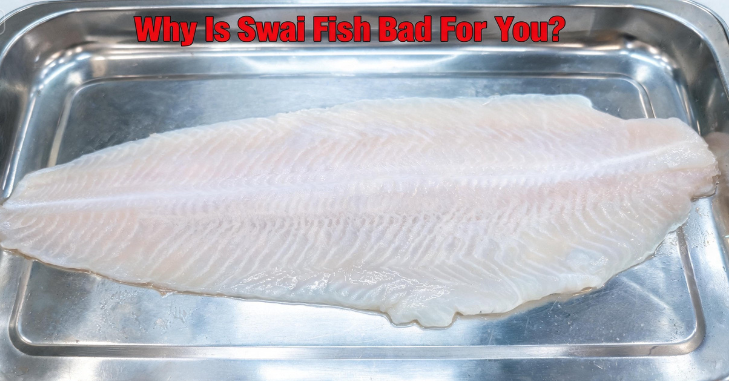
Swai fish, also known as pangasius or basa, is a freshwater fish commonly farmed in Southeast Asia, particularly in Vietnam. It belongs to the catfish family and is widely exported to global markets due to its low production cost.
Unlike wild-caught fish, Swai is almost always farm-raised in controlled aquaculture environments. This farming method enables large-scale production but also raises concerns about water quality, feed practices, and overall fish health.
Because it is inexpensive, Swai is often used as a substitute for more expensive fish varieties such as cod or haddock.
Nutritional Profile of Swai Fish
- Swai fish is often marketed as a lean source of protein, and it does contain protein that can support basic nutritional needs. However, when compared to other fish, its overall nutritional value is relatively low.
- It contains some essential nutrients, but it is significantly lower in omega-3 fatty acids, which are known for their heart and brain health benefits.
- Omega-3-rich fish such as salmon, sardines, and mackerel offer much greater nutritional benefits than Swai.
- Additionally, Swai fish tends to have a higher fat content, which is not always considered healthy. Because of this imbalance, it is not considered one of the most nutrient-dense seafood options.
High Risk of Contamination
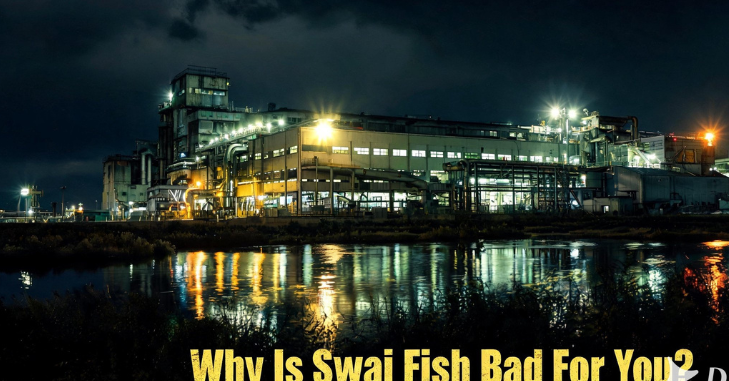
One major concern with Swai fish is the potential for contamination. Since it is primarily farm-raised in densely populated aquatic environments, controlling water quality can be difficult.
Poor water conditions may lead to the accumulation of harmful bacteria, pollutants, and waste materials.
In some cases, reports have suggested that Swai farming environments may be exposed to industrial runoff or contaminated water sources.
This increases the risk of harmful substances entering the fish tissue. Although not every batch is contaminated, the inconsistent application of farming standards raises concerns about food safety and quality control. We cover this in more depth in Is Your Child’s Vision at Risk? The Hidden Eye Condition Parents Overlook.
Use of Antibiotics and Chemicals in Farming
Another significant issue in Swai fish production is the use of antibiotics and chemicals in aquaculture. Because farmed fish are raised in high-density environments, diseases can spread quickly, increasing the risk of large-scale losses for fish farmers.
To control infections and maintain production, some farms use antibiotics to keep fish alive and market-ready.
Antibiotic Resistance and Human Health Concerns
The overuse or misuse of antibiotics in fish farming has raised serious concerns about antibiotic resistance in humans. Repeated exposure to antibiotics in fish may make the body less responsive to certain medications.
This can reduce the effectiveness of antibiotics used to treat infections, creating a broader public health concern.
Use of Chemicals and Residue Risks
In addition to antibiotics, various chemicals may also be used in Swai fish farms to clean water systems and maintain farming conditions.
While these chemicals help manage hygiene and production efficiency, they may sometimes leave residues in the fish.
The presence of such residues raises concerns about potential long-term health effects, especially with frequent or long-term consumption.
Low Nutritional Value Compared to Other Fish
Compared with other commonly consumed fish, Swai offers fewer nutritional benefits. Fish such as salmon, tuna, and sardines are rich in omega-3 fatty acids, vitamins, and minerals that support heart health, brain function, and overall well-being.
Swai, on the other hand, provides mainly protein, but not the same level of beneficial fats and micronutrients. This makes it a less ideal choice for individuals seeking the maximum nutritional benefit from seafood.
Because of this difference, health professionals often recommend choosing fish varieties with higher nutritional density rather than relying heavily on Swai as a protein source.
Food Safety Concerns

- Food safety is a major concern with Swai fish due to variations in processing and handling during global export.
- Since it is widely processed and transported, storage conditions may differ from one supplier to another.
- Improper handling during transportation or freezing can increase the risk of bacterial growth or spoilage.
- In some producing regions, regulations are not always consistent or strictly enforced.
- This lack of uniform quality control can lead to differences in product safety standards.
- Consumers may not always have clear information about how or where the fish was processed, making it difficult to assess safety.
Conclusion
Swai fish is a popular choice because it is inexpensive and readily available, but there are some serious issues to consider. It is a discussion about whether it is a healthy choice.
There are also issues such as low nutritional value, potential contamination, antibiotic use in farming, and environmental impact.
It’s not necessarily dangerous in all circumstances, but it is generally thought to be a lower-quality option than other fish. Opting for more nutritious, sustainable choices can deliver greater long-term health benefits.
Ultimately, a person’s health and well-being depend on making smart food choices, and learning about the dangers of Swai fish helps consumers decide what is best for their diet.
Want to know about How Aussies Are Embracing Flexible Living in 2025 Check out our Lifestyle category.
FAQs
Swai fish has a meh nutritional profile and might be best to avoid. It comes from overstocked fish farms that use excessive amounts of chemicals and antibiotics, which cause water pollution and health problems. It is sometimes misidentified and sold as a higher-value fish.
Imported swordfish. Imported marlin. Shark. Tilefish.
Both are mild, budget-friendly white fish, but here’s how they stack up: Tilapia – high in protein, low in fat, and easy to find—Swai – budget-friendly, mild flavor, softer texture. Either way, both are versatile for grilling, frying, or baking!
May contain PCBs and other toxins: Farmed swai fish are typically fed an unhealthy diet of fish by-products that could contain dioxins and polychlorinated biphenyls (PCBs).