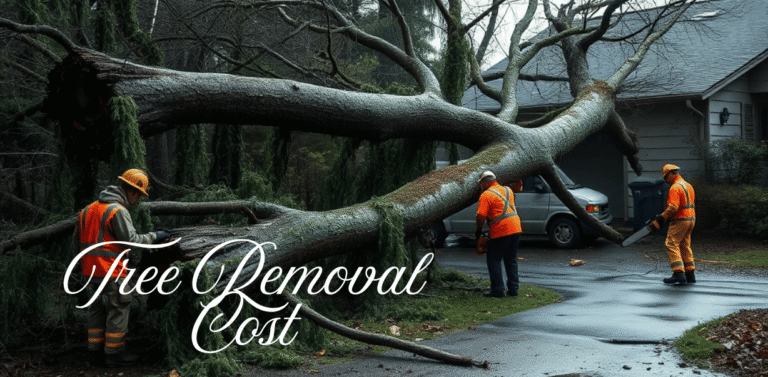
Tree Removal Cost
Tree removal is often a necessary task for homeowners, whether due to safety concerns, storm damage, disease, or landscaping improvements. However, many people are unsure how much it will cost to remove a tree safely and efficiently.
Understanding Tree Removal Cost is essential for budgeting and planning, as prices can vary widely based on factors like tree size, species, condition, location, and additional services such as stump grinding or debris removal.
This guide provides an overview of average tree removal prices, cost factors, a helpful calculator, and tips for choosing top-rated tree service companies to ensure you get safe, reliable service at a fair price.
| Category | Details |
| Small Tree | 10–20 ft, $150–$350 |
| Medium Tree | 20–40 ft, $350–$800 |
| Large Tree | 40–80 ft, $800–$2,000 |
| Extra-Large Tree | 80+ ft, $2,000–$3,500+ |
| Tree Condition Adjustment | Healthy: $0, Dead/Leaning/Hazardous: +$75–$600 |
| Accessibility Adjustment | Open yard: $0, Near home/fence: +$150, Near power lines: +$300–$800 |
| Add-On Services | Stump grinding: $75–$300, Debris removal: $50–$200, Log removal: $75–$200 |
| Example Costs | Small tree: ~$200, Medium near home: ~$1,650, Large emergency removal: ~$3,150 |
| Traditional Tree Care | Trimming/pruning: $200–$600, Stump removal: $100–$450 |
| Tips to Save on Tree Removal Cost | Remove during the slow season, handle debris yourself, bundle multiple trees, and get multiple quotes |
Average Tree Removal Costs

Typical Price Ranges
Tree size is the biggest factor in determining cost. Below are common price ranges:
| Tree Size | Height | Average Cost |
| Small | 10–20 ft | $150–$350 |
| Medium | 20–40 ft | $350–$800 |
| Large | 40–80 ft | $800–$2,000 |
| Extra-Large | 80+ ft | $2,000–$3,500+ |
Factors That Affect Tree Removal Prices
How Big Is The Tree?
Tree size is one of the most significant factors influencing tree removal cost. Larger trees require more cutting time, more workers, and heavier, specialized equipment.
As a tree’s height and diameter increase, so does the risk and effort involved, which raises the final price. Smaller ornamental trees cost far less to remove, while tall hardwoods or thick-trunked trees can significantly increase overall expenses.
What Tree Type?
Tree type also plays a significant role in determining tree removal cost. Hardwood species like oak, maple, and walnut are dense and heavy, making them more time-consuming and challenging to cut.
Softer trees such as pine, birch, or palm are easier to remove and therefore cost less. Different species require different cutting techniques, influencing labor time and pricing.
How is the Tree Condition?
The health and stability of a tree directly affect the cost of tree removal. A dead, rotting, or unstable tree can either reduce or increase the price, depending on how it reacts to cutting. Leaning, cracked, or hazardous trees require special rigging, ropes, and expert handling, which raises costs. Healthy trees are more predictable and often simpler to remove.
How Location?
A tree location on your property can greatly influence the tree removal cost. Trees positioned close to houses, garages, fences, power lines, or tight spaces require extra caution and precision. These removals may need bucket trucks, cranes, or complex rigging systems. Trees in wide-open yards are simpler and cheaper to remove, while confined areas increase labor and risk, driving up the cost.
How Emergency?
Emergencies, especially after storms, high winds, or sudden tree falls, can significantly increase the tree removal cost. Emergency tree removal often requires immediate response, nighttime work, or removal under dangerous conditions. Because of urgency and safety hazards, prices typically rise by 25–50% compared to standard scheduled removals.
How Additional?
Extra services beyond the main removal can increase the overall tree removal cost. Many homeowners choose add-ons such as:
- Stump grinding
- Stump removal
- Debris hauling
- Wood splitting
- Log removal
- Tree trimming
- Land clearing
These services improve yard appearance and safety but add $50 to $450, depending on complexity. Choosing only the services you need can help manage total costs.
Tree Removal Cost Calculator

| Category | Option | Estimated Added Cost |
| Tree Height | Under 20 ft | + $200 |
| 20–40 ft | + $400 | |
| 40–80 ft | + $1,000 | |
| Over 80 ft | + $2,000 | |
| Tree Condition Adjustment | Healthy | + $0 |
| Dead but stable | + $75 | |
| Leaning | + $150–$300 | |
| Hazardous | + $300–$600 | |
| Accessibility Adjustment | Open yard | + $0 |
| Near home or fence | + $150 | |
| Near power lines | + $300–$800 | |
| Add-Ons | Stump grinding | + $75–$300 |
| Debris removal | + $50–$200 | |
| Log removal | + $75–$200 |
Example Cost Estimates
Small Tree in Open Yard
- 15-foot tree
- Easy access
- No extra services
- Approximate Total: $200
Medium Tree Near a Home
- 40-foot tree
- Slightly hazardous condition
- Stump grinding included
- Approximate Total: $1,650
Large Emergency Removal
- 75-foot oak tree
- Storm damage
- Debris removal included
- Approximate Total: $3,150
Traditional Tree Care Costs
Understanding traditional tree care costs helps homeowners see how these services connect to the overall tree removal cost. Tree trimming and pruning typically range from $200 to $600, although costs can reach $1,500 for large, tall, or hazardous trees that require special equipment. Stump care is another important factor.
Stump grinding, which costs $75–$300, is the most common and affordable method and leaves the remaining roots in place. Stump removal, priced between $100 and $450, extracts the entire root system and is recommended when replanting or installing new landscaping. Choosing the right stump service helps manage the total tree removal cost after the main work is completed.
How to Choose a Tree Removal Company

- Selecting the right company is essential for safety, quality, and managing your overall tree removal cost.
- Always choose a provider with proper liability insurance and workers’ compensation to protect against accidents, property damage, or injuries during the removal process.
- Verify that the company is licensed, as many states require specific tree service or contractor licenses that ensure professional standards and reliability.
- Look for ISA-certified arborists, as they are trained in tree biology, structural assessment, and safe removal techniques. Hiring certified experts may increase the tree removal cost slightly but provide better safety and long-term value.
- Check out the company’s reputation, focusing on positive customer reviews, high ratings, and a consistent history of successful tree removals.
Types of Top-Rated Tree Service Companies
Local Arborist Companies
Local arborist companies are often family-owned and highly knowledgeable about regional tree species and conditions. Their expertise allows them to perform safe and efficient removals, often at competitive rates. Choosing a local arborist can help control your overall tree removal cost while ensuring personalized service tailored to your property.
National Tree Service Chains
National tree service chains are well-equipped, dependable, and operate across multiple regions. These companies typically use professional-grade equipment and trained crews to handle tree removals efficiently. While their services may come at a slightly higher tree removal cost, they provide reliability and consistent quality for both small and large projects.
Emergency Response Services
Emergency tree removal services specialize in urgent situations such as storm damage, fallen trees, or hazardous conditions. These companies are available 24/7 and can respond quickly to protect property and safety. Emergency removals often increase the tree removal cost due to the immediate response and added risks, but they are crucial in time-sensitive scenarios.
Crane-Assisted Tree Removal Specialists

Crane-assisted tree removal specialists are used for very large, tall, or dangerous trees, especially in confined or hard-to-access areas. Using cranes and specialized rigging ensures the tree is removed safely without damaging property. While this method can significantly increase the tree removal cost, it is often the safest and most efficient solution for complex removals.
Tips to Save Money on Tree Removal
- Remove Trees During Slow Seasons. Winter and early spring usually offer lower rates or seasonal discounts, helping reduce overall tree removal costs.
- Handle Debris Yourself: Clearing branches, logs, or wood chips on your own can save $50–$200 on the total tree removal cost.
- Bundle Multiple Trees Hiring a company to remove multiple trees at once often qualifies for bulk discounts, lowering the per-tree removal cost.
- Get Multiple Quotes Requesting 3–5 estimates from different companies allows you to compare pricing and services, ensuring a fair tree removal cost.
Conclusion
Tree removal is an important investment for maintaining the safety, health, and appearance of your property. Understanding the factors that influence tree removal costs, such as tree size, condition, location, accessibility, and additional services like stump grinding or debris removal, helps homeowners budget effectively and avoid unexpected expenses.
Using a tree removal cost calculator, comparing multiple quotes, and hiring a reputable, licensed, and insured tree service company ensures you receive safe, efficient, and fairly priced service.
By planning carefully and choosing the right professionals, you can manage your tree removal cost while protecting your property and enhancing your landscape for years to come.
Want to know about A Comprehensive Overview of Home-Based Food Franchises for Women: Catering, Bakery, and Service Business Opportunities, and More Info Check out our Home Improvement category.
FAQs
Costs between $200 and $2,000, with an average of $750, based on the type, size, and location of the tree.
Small tree removal costs between $150 and $500.
Depending on the variables mentioned below, the cost of a tree removal might range from $300 to more than $8000.