Rat Exterminator
Rats are among the most destructive and persistent household pests. When an infestation takes hold, do-it-yourself methods often fall short, and professional expertise becomes necessary. Hiring a rat exterminator is not simply about setting traps; it involves a strategic approach that includes inspection, elimination, sanitation, sealing the home, and preventive maintenance.
When it comes to maintaining a healthy and safe living environment, addressing rodent infestations is crucial. Rats are notorious for being carriers of diseases and causing structural damage to homes. Hiring a professional rat exterminator can be a proactive step in combating these pests.
This in-depth guide provides a comprehensive understanding of the extermination process, associated health risks, and strategies for long-term rodent control.
| Service Component | Description | Typical Cost Range | Key Benefits |
| Initial Inspection | The technician identifies infestation level, entry points, and nesting areas | $75 – $200 (often credited if treatment is booked) | Confirms rat activity and provides a treatment plan |
| Elimination Methods | Includes traps, bait stations, poison treatments, or integrated pest control | $200 – $600 per visit | Actively removes existing rats |
| Sanitation & Cleanup | Removal of droppings, nests, and contaminated materials | $150 – $500+ | Reduces disease risk and prevents reinfestation |
| Home Sealing (Exclusion) | Sealing cracks, vents, foundations, and other access points | $300 – $1,200+ (based on damage/size) | Blocks future rodent entry |
| Ongoing Monitoring | Follow-up visits to check traps and assess activity | $50 – $150 per visit or $200–$600 annually | Maintains a rat-free environment |
| Disease Risk Mitigation | Addresses health concerns from droppings, urine, and nesting materials | Included in cleanup or quoted separately | Protects residents from diseases like Hantavirus and Leptospirosis |
| Emergency or Severe Infestation Response | Rapid-response treatment for high rat activity or large infestations | $300 – $1,000+ | Quickly reduces major infestations |
| Long-Term Prevention Plans | Maintenance service with periodic checks, baiting, and sealing reassessments | $250 – $800 per year | Prevents recurrence and monitors property |
Understanding the Need for Professional Rat Extermination
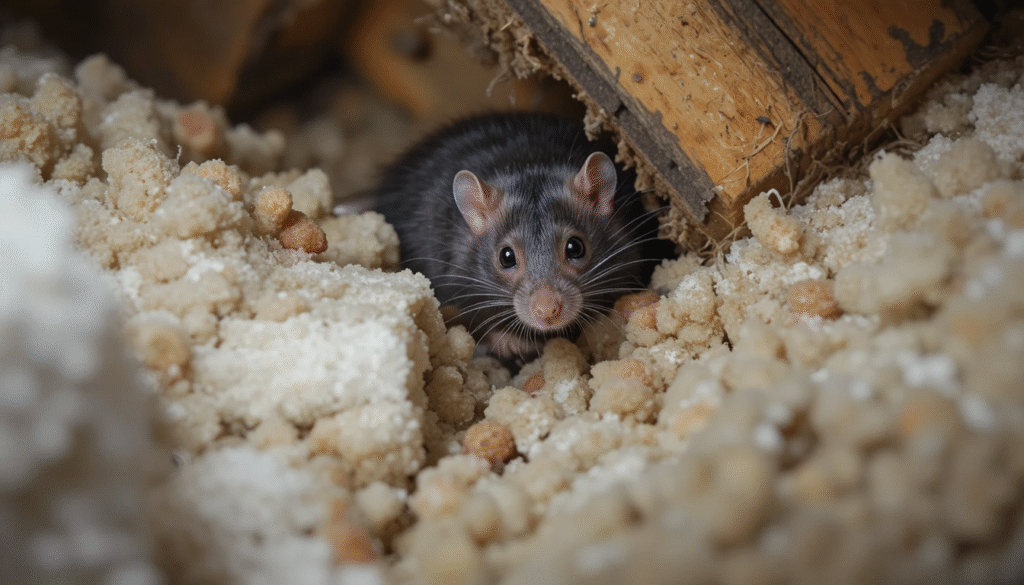
Rats multiply rapidly, contaminate food, damage property, and pose significant health risks. When homeowners notice droppings, gnaw marks, scratching noises, or foul odors, it often indicates a deeper infestation. A rat exterminator addresses visible activity and hidden nesting zones that DIY methods frequently miss, ensuring the problem is resolved at the source.
Types of Rat Infestations
Not all infestations are the same. The species, extent of access points, and size of the colony affect the extermination plan.
- Norway Rats: Ground or burrow dwellers that are larger and destructive.
- Roof Rats: Agile climbers known for nesting in attics and high structures.
- Sewer or Drain Rats: Often access homes through poorly sealed drainage systems.
Understanding the type of rat helps exterminators choose suitable tools, bait placements, and exclusion tactics.
Initial Contact and Assessment
When a homeowner contacts a rat exterminator, the process begins with a consultation. Professionals ask about recent sightings, noises, or damage. They may request pictures or videos and schedule a site visit to assess the extent of the infestation.
Comprehensive Inspection Process
The inspection phase is critical. Exterminators conduct a room-by-room evaluation of the home and surrounding property. They examine baseboards, crawl spaces, attics, vents, and foundations for droppings, tracks, nesting materials, and entry holes.
What Inspectors Look For
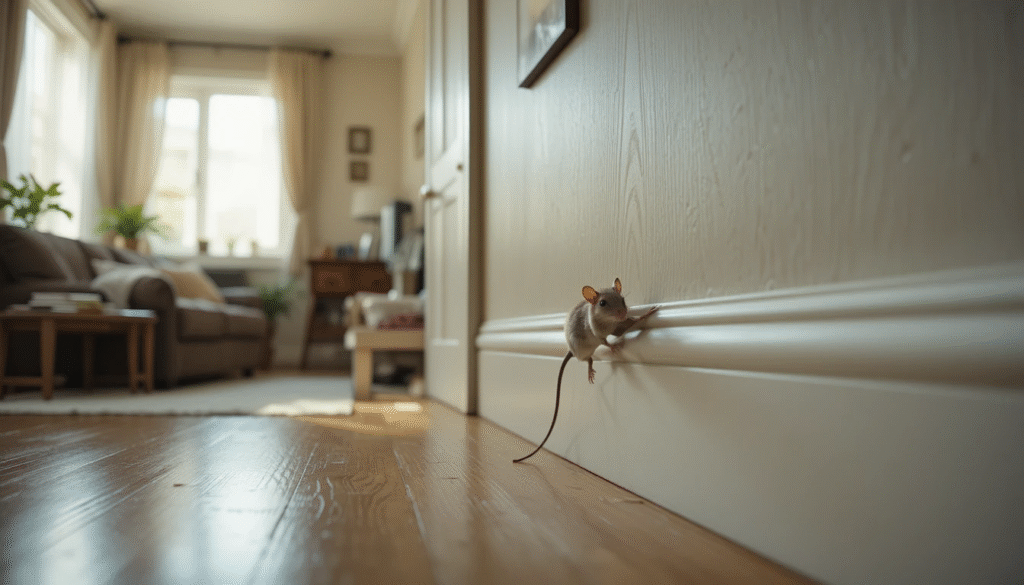
- Active or old droppings
- Gnaw marks on wood, wiring, and pipes
- Grease trails along walls
- Burrows near foundations or gardens
- Urine stains and ammonia-like odors
- Damaged insulation in attics or crawl spaces
Tools Used During Inspection
Professionals may use flashlights, moisture detectors, borescopes, and UV lights to detect hidden evidence. Thermal imaging can identify nests and activity behind walls.
Health Risks Associated with Rats
Rat infestations are more than a nuisance; they pose serious health threats. Rats carry pathogens through their saliva, urine, and feces. Humans and pets can contract diseases by inhaling dust, touching contaminated surfaces, or through bites from infected animals.
Common Diseases Linked to Rats
- Hantavirus Pulmonary Syndrome
- Leptospirosis
- Salmonella
- Rat-Bite Fever
- Lymphocytic Choriomeningitis Virus (LCMV)
Even after extermination, thorough cleaning and sanitation are necessary to prevent illness.
Elimination Strategies
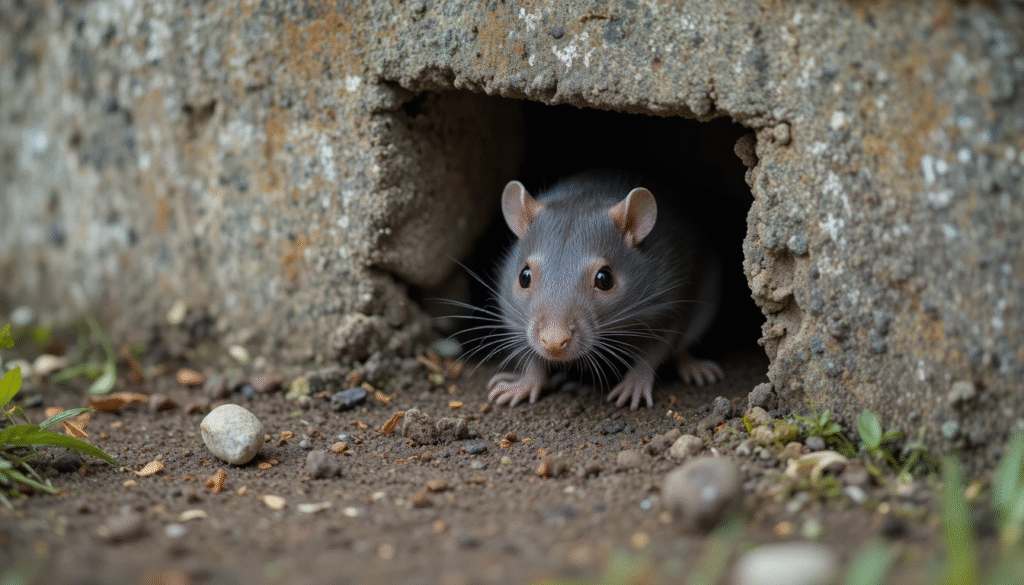
Rat extermination involves targeted methods that minimize risks to pets, children, and non-target wildlife. Professionals tailor their approach to the severity and location of the infestation.
Trapping Methods
- Snap Traps: Effective for immediate kills and monitoring numbers
- Live Traps: Humane options used in limited scenarios
- Electronic Traps: Deliver quick kills with minimal cleanup
Baiting and Rodenticides
In cases of large infestations, rodenticides may be used. Exterminators place bait in tamper-resistant stations to prevent accidental ingestion by animals or children. They determine active trails and ensure bait placement aligns with safety regulations.
Tracking Powders
In rare cases, powders are used where rats walk through the substance and ingest it during grooming. This method is carefully regulated and only deployed by licensed experts.
Safety Considerations During Elimination
Professionals follow strict guidelines to ensure safety. They avoid placing traps in open areas, secure bait boxes, and regularly monitor activity. Snap traps are often placed in concealed areas, such as behind appliances or along walls, to prevent accidental contact.
Standard Extermination Methods and Their Uses
| Elimination Method | Best For | Safety Considerations | Response Time |
| Snap Traps | Small to moderate infestations | Must be placed away from pets and children | Instant to short-term |
| Bait Stations | Moderate to large infestations | Use tamper-resistant enclosures | Takes several days |
| Live Traps | Single or light infestations | Requires relocation or humane euthanasia per regulations | Immediate removal |
| Electronic Traps | Indoor infestations | Keep away from moisture and children | Quick kill with easy disposal |
Home Sealing and Exclusion
Eliminating rats without sealing entry points leads to reinfestation. Professional rat exterminators focus on exclusion to prevent future invasions.
Common Entry Points Sealed
- Gaps around doors and windows
- Open vents and chimneys
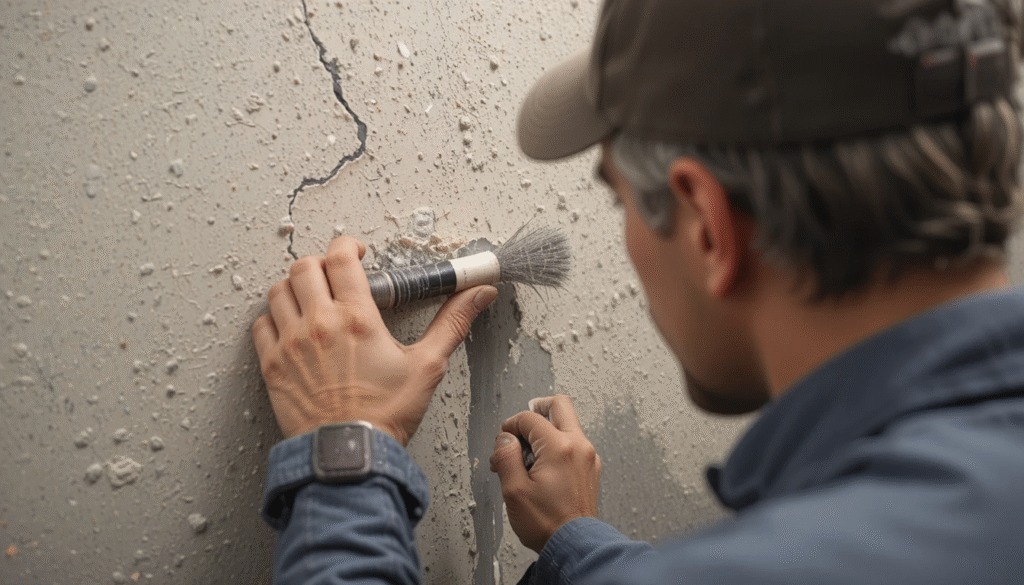
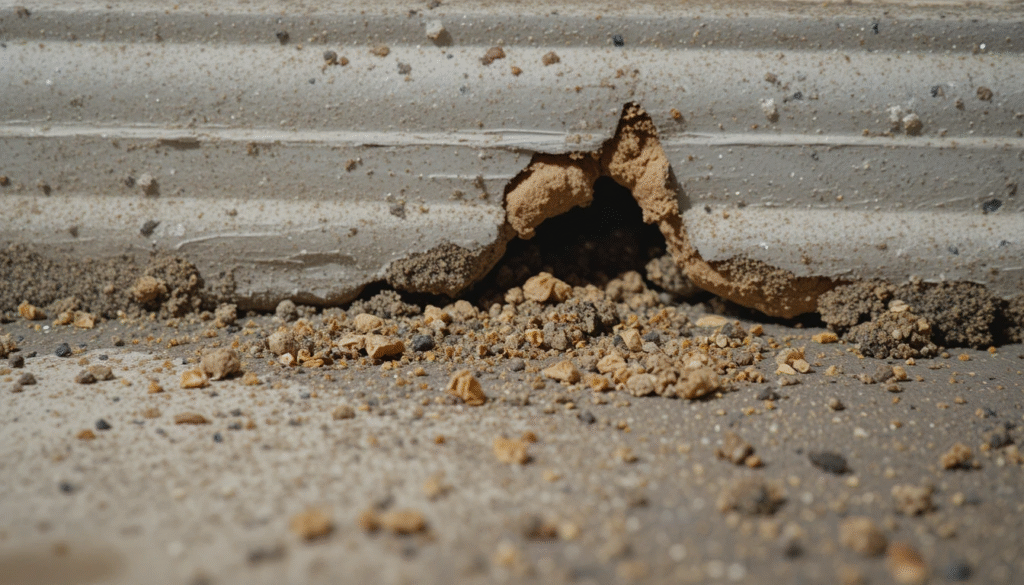
- Cracks in foundations or siding
- Holes around utility lines and pipes
- Roof gaps and soffit damage
Materials Used for Sealing
- Hardware cloth
- Steel wool combined with caulk
- Metal flashing
- Cement or concrete patches
- Weatherstripping
Exterminators may also install one-way exclusion devices, allowing rats to exit but not re-enter.
Cleaning and Sanitation After Infestation
Post-removal cleaning is essential to eliminate lingering pathogens, pheromones, and odors that can attract new rats. This comprehensive cleaning process often includes sanitizing contaminated insulation, removing droppings, and steam cleaning affected areas.
In cases of severe contamination, they may recommend replacing insulation to ensure a complete eradication of any harmful residues. Once the immediate infestation has been addressed, the focus shifts to preventing reinfestation. Exterminators frequently offer ongoing maintenance plans tailored to the specific needs of your property.
Additionally, they provide education on proper sanitation practices and landscape maintenance. Landscaping and yard adjustments are also crucial, as rats often use vegetation as cover and access points.
Legal and Ethical Considerations
Professionals adhere to local regulations governing the use of pesticides and the protection of wildlife. Humane treatment standards apply when live traps or relocation are involved.
Myths and Misconceptions About Rat Control
Many misconceptions hinder effective rodent control.
- Myth: Ultrasonic devices alone repel rats.
- Reality: These devices may temporarily deter rodents but rarely solve infestations.
- Myth: Cats can eliminate rat colonies.
- Reality: Cats may catch individual rats, but they cannot effectively address large infestations.
Environmental Impact Considerations
Eco-conscious exterminators employ targeted methods to minimize the risk to non-target species. They prioritize trapping over the use of chemicals when feasible and employ safe disposal techniques for deceased rodents.
Signs the Problem Has Been Resolved
A successful extermination leads to:
- No new droppings or gnaw marks
- Absence of scratching noises at night
- No visible rats indoors or outdoors
- Reduced odor and contamination
When to Request Additional Services
If rats continue to appear after initial treatment or new entry points emerge, additional inspections and sealing measures are necessary to prevent further infestations. Early action prevents reinfestation from escalating.
Conclusion
Hiring a rat exterminator is a proactive step in protecting your home from the dangers associated with rodent infestations. By understanding the inspection process, various elimination strategies, disease risks, home sealing techniques, and long-term prevention services, homeowners can make informed decisions about their property.
Acting promptly and seeking professional help can ensure a safe and healthy living environment, free from the threats posed by rats. Remember, prevention is always better than cure, so implementing long-term strategies will help you maintain a rodent-free home for years to come.
Want to know about Cedar Shake Roof Installation Check out our Home Improvement category.
FAQs
The cost can vary widely depending on the severity of the infestation, the size of your property, and the methods used. On average, homeowners can expect to pay between $200 and $600 for extermination services.
Professional exterminators typically use pesticides that are regulated for safety. However, it’s important to discuss any concerns with the exterminator before treatment. They can provide guidance on safety measures and when it’s safe to return to treated areas.
The duration varies based on the level of infestation and the methods used. Initial inspections can take a few hours, while complete extermination may take several days or weeks, especially if follow-up visits are necessary.
Yes, it’s advisable to clear clutter and secure food items before the inspection. Your exterminator can provide specific instructions on how to prepare your home for their visit.