
Faux Fur Coat
Faux fur coats have become an enduring symbol of elegance, warmth, and ethical fashion. Originating as an affordable substitute for real fur, faux fur has evolved into a powerful statement of sustainability and compassion in the modern fashion industry.
Over the decades, it has transitioned from a niche alternative to a mainstream luxury item, embraced by top designers and conscious consumers alike. Today, faux fur coats represent the perfect blend of sophistication, comfort, and moral responsibility — offering style without cruelty.
| Category | Key Details |
| Historical Evolution | Early 20th Century: Synthetic fur 1950s–60s: cultural shift and fashion innovation. 1970s–80s: elevated faux fur to high fashion; improvements in texture realism. 2000s–Present: Focus on, eco-friendly materials, and ethical production practices. |
| Popular Styles of Faux Fur Coats | Classic Overcoat Biker Jacket Cropped Jacket Cape Coat Puffer Coat |
| Popular Fabrics Used | Polyester Acrylic Modacrylic Nylon |
| Ethical & Environmental Impact | Ethical Benefits: Cruelty-free Environmental Focus: Technological advancements Industry Shift |
| Styling Tips | Casual Chic Evening Wear Winter Layering – Mixing Textures: Combine faux fur with leather, denim, or silk for visual contrast. |
| Future of Faux Fur | Growing inclusivity with diverse styles, body fits, and affordability. |
| Overall Significance | Compassion, versatility, and sustainability — redefining luxury for the conscious consumer. |
The Evolution of Faux Fur in Fashion
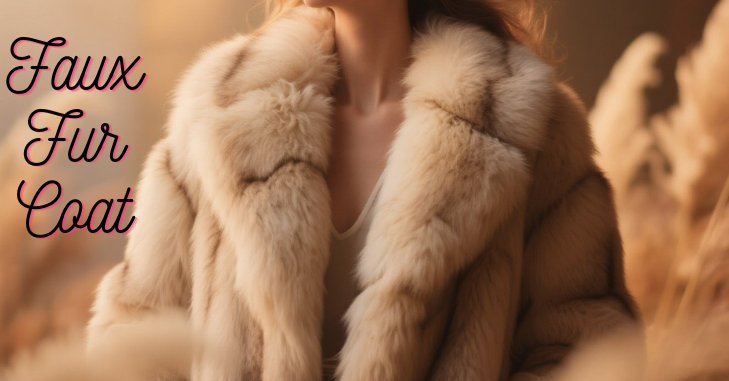
The journey of faux fur began in the early 20th century, gaining traction as designers sought alternatives to real fur. Manufacturers created the first synthetic furs in the 1920s, primarily for use in less expensive garments.
However, it wasn’t until the 1950s that faux fur began to gain popularity among the fashion elite. With the rise of synthetic materials, designers started experimenting with different textures and colors, allowing for greater creativity in fashion.
The 1960s marked a pivotal moment in the history of faux fur. The counterculture movement and growing awareness of animal rights led to a significant shift in consumer attitudes.
The 1980s brought even more innovation, with advancements in textile technology allowing for the creation of more realistic faux furs that closely resembled their real counterparts. This era also witnessed the emergence of bold colors and patterns in faux fur, appealing to a broader audience.
The late 20th and early 21st centuries saw a resurgence of interest in sustainably and ethics. As environmental concerns became more prominent, faux fur was positioned as a more humane alternative to real fur.
Designers began to prioritize eco-friendly materials, and faux fur became synonymous with a more conscious approach to fashion. The popularity of faux fur coats soared, making them a go-to choice for both casual and formal wear.
Popular Styles
Faux fur coats come in a variety of styles, catering to different tastes and occasions. Some of the most popular styles include:
Classic Overcoat
The classic faux fur overcoat is a timeless piece that adds sophistication to any outfit. This style typically features a structured silhouette and elegant lines, usually extending to knee-length or longer.
Designers offer classic overcoats in various colors and patterns, which can be worn over dresses, suits, or casual outfits, making them versatile for both formal and everyday wear.
Biker Jacket
The faux fur biker jacket combines the edgy aesthetic of traditional leather motorcycle jackets with the warmth of faux fur. This style often features zippers, studs, and other embellishments, creating a bold look. Perfect for layering over casual outfits, the biker jacket adds an element of rebellion while keeping the wearer cozy.
Cropped Jacket
Cropped faux fur jackets have gained immense popularity in recent years. With their shorter length, they create a youthful and playful vibe. This style pairs well with high-waisted pants or skirts, emphasizing the waist and adding a touch of glamour to casual looks.
Cape Coat
The cape coat is a dramatic and stylish option that provides warmth without sacrificing elegance. Often featuring a loose fit and open front, this style allows for easy layering and adds flair to any outfit. Cape coats can be dressed up or down, making them suitable for various occasions.
Puffer Coat
Faux fur puffer coats combine functionality with fashion. These coats feature quilted designs filled with insulation, providing warmth while remaining lightweight. The addition of faux fur trims or linings elevates the overall look, making them trendy choices for winter wear.
Popular Fabrics Used

Polyester
- The most common material for faux fur coats.
- Lightweight, durable, and wrinkle-resistant.
- Mimics real fur while being affordable and ethical.
- Easy to care for, often machine-washable.
Acrylic
- Known for softness and warmth.
- Can replicate various fur types, from plush to sleek.
- Often blended with other materials for enhanced durability.
- It is lightweight and provides sound insulation for colder climates.
Modacrylic
- Synthetic fiber offering flame resistance and softness.
- Commonly used in higher-end faux fur products.
- Closely mimics the texture of real fur.
- Provides excellent warmth, making it popular for luxury coats.
Nylon
- It is occasionally used as a base fabric for faux fur.
- Offers a sleek and shiny finish.
- It is less common than polyester or acrylic but has a unique texture.
- Known for strength and resistance to wear and tear.
The Ethical and Environmental Impact of Faux Fur
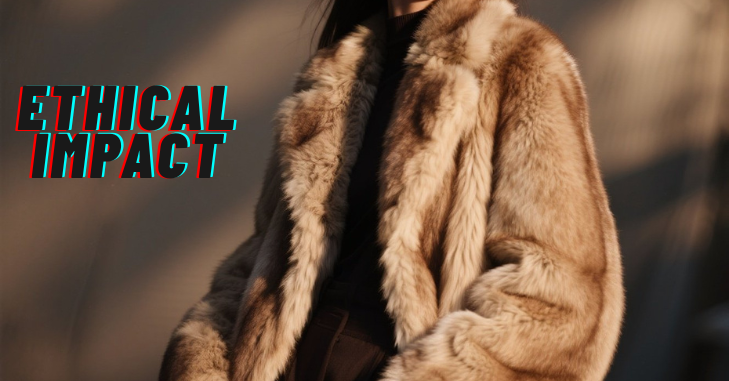
One of the primary reasons for the rise in popularity of faux fur is its ethical appeal. Real fur production often involves inhumane practices, including the trapping and killing of animals. As consumers become more conscious of animal rights, many are opting for faux alternatives that do not involve animal cruelty.
Consumers are increasingly seeking transparency from brands regarding their production practices. This shift has prompted many fashion companies to adopt more sustainable practices, making faux fur a more responsible choice for those looking to reduce their ecological footprint.
Styling
Faux fur coats are versatile pieces that can be styled in various ways, making them suitable for numerous occasions. Here are some tips on how to incorporate faux fur into your wardrobe:
Casual Chic
For a casual yet stylish look, pair a cropped faux fur jacket with high-waisted jeans and ankle boots. A simple t-shirt or fitted turtleneck underneath adds a touch of sophistication without overshadowing the statement piece. Accessories like a crossbody bag and minimal jewelry can complete the outfit, creating a balanced appearance.
Elevated Evening Wear
When dressing up for an evening event, a classic faux fur overcoat can add a touch of glamour to any outfit. Layer it over a sleek dress and pair it with strappy heels for an elegant look. Opt for bold accessories, such as statement earrings or a clutch, to enhance the overall aesthetic.
Layering for Winter
During colder months, faux fur coats can be layered over sweaters and turtlenecks. A faux fur puffer coat can be an excellent choice for casual outings, providing warmth and style. Pair it with leggings or fitted pants and knee-high boots for a cozy yet fashionable winter ensemble.
Mixing Textures
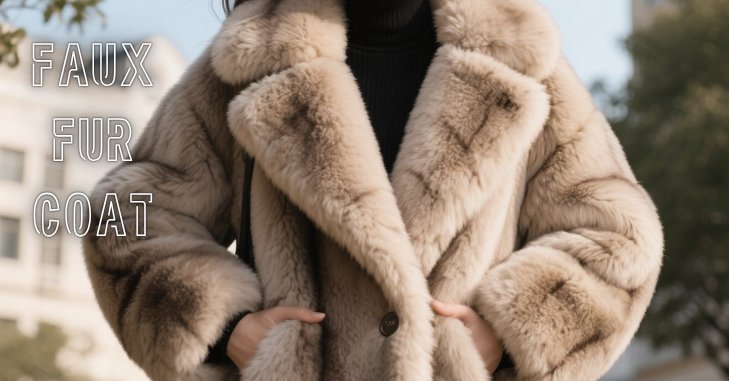
Faux fur can be mixed with various textures to create interesting outfits. For example, pairing a faux fur biker jacket with a leather skirt or distressed jeans can add depth to your look. Experimenting with different fabrics, such as silk or cotton, can elevate your outfit and showcase your personal style.
Conclusion
As fashion continues to evolve, faux fur is expected to remain a significant player in the industry. With increasing demand for ethical and sustainable options, designers are likely to explore new materials and technologies that enhance the quality and appearance of faux fur.
The trend toward eco-friendly fashion will drive innovation, leading to more sustainable production processes and better-quality faux fur garments.
In conclusion, faux fur coats have come a long way from their humble beginnings, evolving into a fashionable and ethical alternative to real fur. With a variety of styles and fabrics available, they cater to diverse tastes and preferences.
Want to know about Check out our category.
Want to know about Wedding Guest Dresses for Summer Check out our Fashion category.
FAQs
Faux fur, or fake fur, is a material manufactured to imitate real animal fur. It is typically made of synthetic materials, which are processed, dyed, and cut to replicate real fur’s texture and colour.
The most basic faux fur fabric is usually a simple solid and is generally available in a wide variety of colors and textures. This entry-level faux fur fabric can be priced from $15/yard to $25/yard at retail, depending on the brand.
Faux fur might not always match up to its real counterpart, but it’s definitely one of the coziest styles of outerwear. Excuse us while we get a little scientific, much like real fur, faux fur traps air, creating a blanket of insulation – thus keeping you warm.

