
Introduction
Choosing between lightweight and traditional running shoes is a decision every runner faces. Whether you’re looking at lightweight running shoes for men or for women, the choice impacts your comfort, performance, and even long-term foot health.
Lightweight running shoes have gained popularity for their ability to improve speed and agility, making them a favorite for competitive runners and fitness enthusiasts. This article explores both options, helping you better decide which suits your unique needs and goals.
| Weight | Lightweight running shoes typically weigh under 8 ounces, reducing fatigue and enhancing speed. |
| Cushioning | Despite their lightness, many models provide responsive cushioning for comfort and impact absorption. |
| Breathability | These shoes often feature mesh uppers, allowing for ventilation and keeping feet cool. |
| Materials | Lightweight shoes are made with innovative materials like EVA foam and carbon plates for agility. |
| Best for Speed | Ideal for runners aiming for faster times, as they support quick movements and efficient strides. |
| Support | Many lightweight shoes now include support features for stability without added weight. |
| Durability | Lightweight shoes have thinner materials and may need more frequent replacement compared to traditional models. |
| Flexibility | Designed to provide a natural range of motion, enhancing responsiveness and foot movement. |
| Types Available | Options include shoes for men, women, and unisex models. |
| Reviews | She is often praised for enhancing performance and comfort, especially among runners prioritizing speed. |
| Versatility | Suitable for both running and walking, offering comfort for various activities. |
| Energy Efficiency | Lightweight shoes help reduce energy expenditure, aiding in improved running economy. |
| Ideal Surfaces | Best suited for road running, tracks, and other flat, stable surfaces. |
| Popular Models | Includes brands like Nike Vaporfly, Hoka Rincon, and New Balance FuelCell Rebel. |
| Price Range | Lightweight running shoes vary in price, often higher due to advanced materials and design. |
Why Lightweight Running Shoes Matter for Performance
Lightweight running shoes are designed to help runners move more efficiently by reducing the overall weight carried with each stride, which can make a noticeable difference in speed and endurance, especially over long distances. These shoes typically use advanced materials such as engineered mesh, responsive foam midsoles, and minimal yet supportive structures to strike a balance between lightness and comfort. By minimizing excess weight without sacrificing cushioning, lightweight running shoes allow athletes to maintain quicker turnover and better energy conservation, whether training for a personal best or simply enjoying a daily jog. This focus on performance-enhancing design makes them popular choices among competitive runners and recreational athletes alike, offering an accessible way to improve running mechanics and overall experience.
Performance and Speed
Regarding enhancing performance and speed, lightweight running shoes have a clear advantage. The reduced weight on your feet can significantly decrease energy expenditure, allowing you to run longer distances with less fatigue. Lightweight shoes help streamline your movements, enabling a more efficient stride and improved biomechanics.
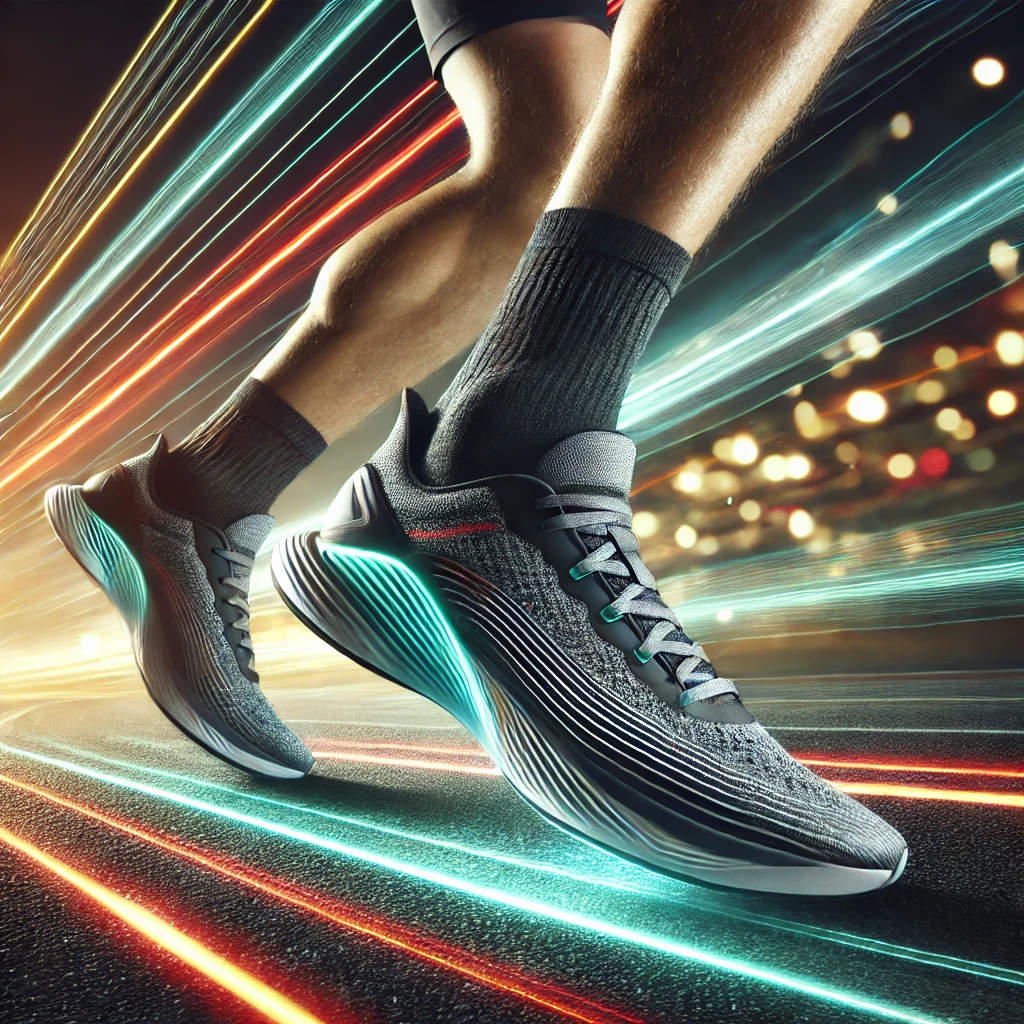
By supporting a quicker turnover and smoother transitions, these shoes are ideal for speed-focused runners, particularly those looking to shave time off their races. Traditional running shoes, on the other hand, offer a different set of benefits. While they may not be as light, they often provide a more robust construction that suits various running surfaces and intensities.
With thicker midsoles and sturdy designs, traditional shoes can withstand impact and offer a steady pace, making them better suited for everyday training or marathon distances where durability is crucial.
Cushioning and Comfort
Cushioning is another area where lightweight and traditional running shoes differ. Many runners gravitate toward traditional running shoes because they offer enhanced cushioning and comfort. Traditional shoes feature thicker midsoles and softer underfoot padding, making them ideal for absorbing impact during longer runs or on more complex surfaces.
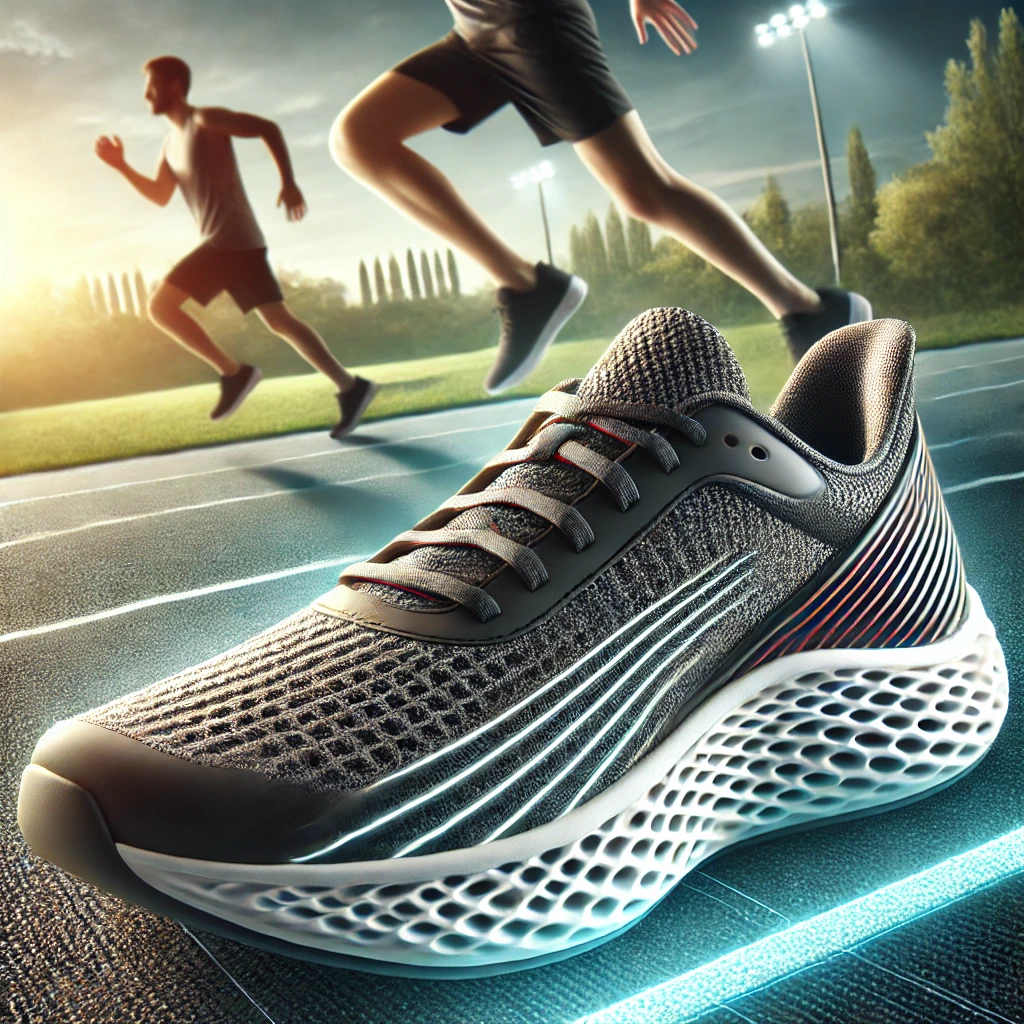
This feature is especially beneficial for runners who prefer a softer landing, as it reduces joint stress and enhances a smoother experience. In contrast, while lightweight shoes often include some cushioning, the goal is to keep the shoe’s overall weight as low as possible. They usually incorporate innovative materials like responsive foams that return energy with minimal bulk.
Stability and Support
One of the critical considerations for runners is the level of stability and support a shoe provides. Traditional running shoes typically have a more structured design with added support features, such as arch reinforcements, heel counters, and thicker midsoles.
On the other hand, lightweight running shoes often trade stability features for a more minimalist design. While some lightweight models incorporate stability components, they generally offer a more flexible, less structured feel.
This lack of structure can lead to a less secure fit for those who rely on extra support but can also promote natural foot movement. Runners with neutral pronation or those who prefer a more responsive and agile shoe may appreciate the streamlined design of lightweight models.
Durability and Longevity
Durability is another critical factor when deciding between lightweight and traditional running shoes. Traditional shoes are built with heavier, more resilient materials designed to withstand the wear and tear of frequent, high-mileage runs.
With sturdier construction, traditional shoes often provide better protection against rough terrains, extending their lifespan even on challenging surfaces.

Lightweight running shoes, however, often have a shorter lifespan due to using lighter, thinner materials. The minimalist design of these shoes makes them more susceptible to faster wear, mainly if used on rugged or high-impact surfaces.
Versatility Across Surfaces and Terrains
Traditional running shoes are more versatile on different surfaces and terrains. Their thicker outsoles and robust builds offer reliable traction on roads, trails, and tracks. Many traditional shoes come with additional tread patterns that provide better grip on uneven or slippery surfaces, making them suitable for runners switching between terrains.
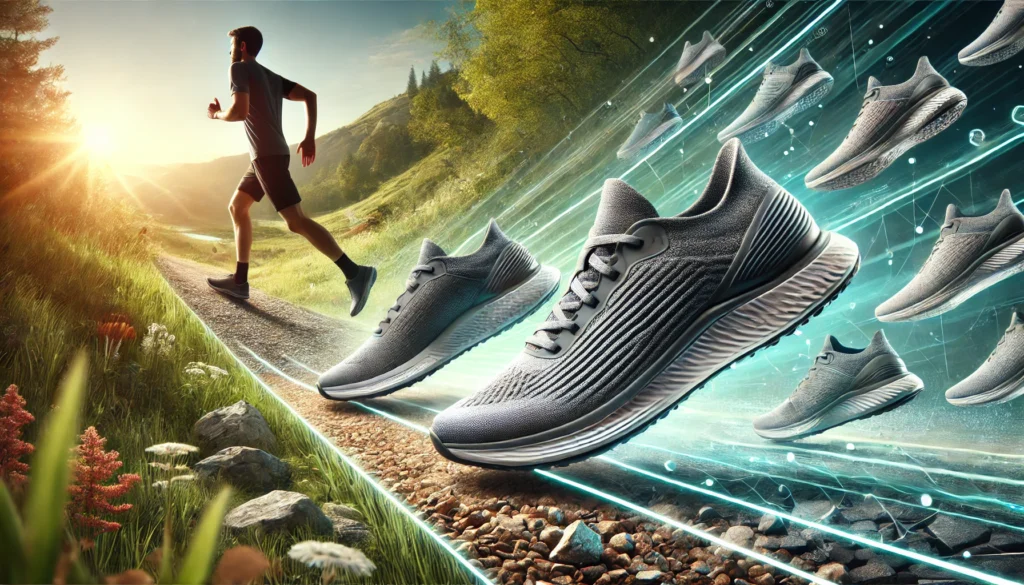
Conversely, lightweight running shoes are often designed for specific purposes, such as road racing or track workouts. While some lightweight models include features for trail running, they are generally best suited for smoother, flatter surfaces. These shoes’ streamlined outsoles and minimal tread can limit their grip and traction, especially on wet or loose terrain.
Energy Efficiency and Biomechanics
One of the significant advantages of lightweight running shoes is their potential to enhance energy efficiency. The reduced weight means less effort is required to lift each foot, which can positively impact biomechanics and running form. Lightweight shoes are designed to maximize energy return, often through responsive foam technologies that propel the runner forward with each step.
Traditional running shoes, while heavier, offer more support for natural foot alignment, which can contribute to better biomechanics, particularly over longer distances. For runners prone to poor form or fatigue-induced changes in gait, the added structure in traditional shoes can provide beneficial reinforcement, helping maintain proper alignment.
Cost and Accessibility
Regarding cost, traditional running shoes generally provide a broader range of options at various price points. They are widely available and cater to runners with different budgets, making them accessible to a larger audience.

Due to their durability and extensive support features, traditional shoes often offer better value over time, as they can withstand higher mileage before needing replacement.
Foot Health and Injury Prevention
Traditional shoes offer certain advantages for runners regarding foot health and injury prevention. Their supportive design and ample cushioning can help protect the feet and joints from impact-related injuries, especially for those with previous issues or unique foot structures.
The added stability in traditional shoes also helps mitigate the risk of ankle rolls or slips, which is particularly useful for runners who experience frequent ankle or knee discomfort.
Lightweight running shoes, while often beneficial for biomechanics and efficiency, may not offer the same level of impact protection. The reduced cushioning and minimal structure make these shoes less ideal for runners with a history of foot or joint problems.
Choosing the Right Option for Your Needs
Selecting between lightweight and traditional running shoes ultimately depends on individual needs and goals. If speed, agility, and energy efficiency are your priorities, lightweight shoes are the optimal choice. They are perfect for runners focused on performance gains and shorter races, where every second counts.
Alternatively, if comfort, stability, and durability are more important, traditional shoes better suit your needs. They provide a reliable, supportive fit that accommodates a variety of foot types and can endure the demands of high-mileage training.

Traditional shoes are ideal for runners who value longevity and protection over speed, as they can handle various terrains and conditions.
Each type of shoe offers unique benefits, and understanding these differences can help you make an informed decision tailored to your running style. Whether you prioritize performance or protection, finding the right shoe can enhance your overall experience and help you reach your running goals.
Conclusion
Choosing between lightweight and traditional running shoes depends on personal preferences, goals, and usage. For runners focused on speed and efficiency, lightweight running shoes offer energy savings and a responsive feel that is ideal for shorter, faster runs. They’ve evolved to be supportive and versatile, suitable for both men and women and even for walking.
Apart from this, if you want to read a fantastic article on ” Understanding Instant Cameras,” then visit and explore our “Lifestyle” category.
Frequently Asked Questions (FAQs)
Lightweight running shoes can be better than regular running shoes because they help you run faster, go farther, and use less energy.
Thin running shoes, or minimalist shoes, can help you run better by improving your connection to the ground and evenly spreading your weight as you run.
Due to its low cost and strength, aluminum is homeowners’ most preferred material type.
They are suitable for runners who want improved speed, efficiency, and a more natural running feel, including both beginners and experienced athletes.
Lightweight running shoes are designed with minimal materials to reduce weight while still providing comfort and support for running.