Introduction
Your entryway sets the tone for your home. It’s the first thing guests see and, more importantly, the first thing you see when you come back after a long day. This space is all about functionality and aesthetics, and what better way to merge the two than with a small shoe rack that fits perfectly into your entryway? Let’s dive into the world of small shoe racks for your entryway and discover how to choose the perfect one that will transform your space.
| Attribute | Details |
|---|---|
| Dimensions | Compact size, typically 24-36 inches wide, 12-18 inches deep, and 24-36 inches tall |
| Material | Wood (pine, oak, bamboo), metal (steel, iron), plastic, or a combination |
| Capacity | 2-4 tiers or shelves, holding 4-8 pairs of shoes |
| Design | Simple, minimalist style, may have open or enclosed shelves |
| Features | Sturdy construction, easy assembly, space-saving design |
| Placement | Fits neatly in entryways, mudrooms, or small foyers |
| Aesthetic | Blends well with various decor styles, neutral colors like white, black, or natural wood tones |
| Weight Capacity | Typically supports up to 20-40 lbs, depending on materials and construction |
| Assembly | Some models require assembly, while others come pre-assembled |
| Price Range | $30 – $150, depending on size, materials, and brand |
| Use Cases | Holds shoes, keeps entryway organized, provides quick access to footwear |
| Target Audience | Homeowners, renters, families, or anyone with a small entryway space |
Why a Small Shoe Rack?
Before we delve into the variety of styles and designs, let’s address the fundamental question: why choose a small shoe rack? A small shoe rack is ideal for several reasons:
- Space Efficiency: Small shoe racks are perfect for compact entryways where every square inch matters. They help keep your shoes organized without overwhelming the space.
- Aesthetic Appeal: A well-chosen shoe rack can enhance the decor of your entryway. It serves as a functional piece of furniture that adds style to your home.
- Decluttering Solution: Shoes strewn across the entryway create a chaotic and uninviting atmosphere. A shoe rack keeps everything in order, making your entryway look tidy and welcoming.
Choosing the Right Shoe Rack for Small Entryways
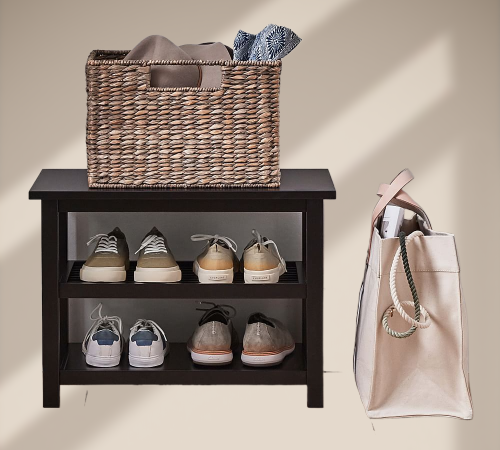
When selecting a small shoe rack for your entryway, it’s important to balance size, storage capacity, and design so it enhances functionality without overcrowding the space. Compact shoe racks come in a variety of styles—from slim, multi-tiered shelves to bench-style units that offer both seating and storage—making them ideal for entryways where space is at a premium. Materials matter too: wood and metal offer durability and aesthetic appeal, while modular units can be easily reconfigured as needs change. By choosing the right size and shape, you can keep everyday footwear organized, reduce clutter, and create a welcoming first impression as soon as guests walk in.
Types of Small Shoe Racks
The beauty of a shoe rack lies in its variety. Whether you have a modern minimalist style or prefer something more traditional, there’s a shoe rack out there that will match your aesthetic.
1. Vertical Shoe Racks
Vertical shoe racks are a great option if you’re looking to save floor space. These racks are tall and slim, making them perfect for narrow entryways. They often come with multiple tiers, allowing you to store several pairs of shoes without taking up too much room.
Pros: Maximizes vertical space, fits in tight corners, can hold many shoes.
Cons: May not be suitable for very tall boots; can be a bit unstable if not anchored properly.
2. Bench Shoe Racks
Who doesn’t love a good two-in-one piece of furniture? Bench shoe racks combine seating with storage, offering a spot to sit while putting on or taking off shoes. They usually come with a cushioned top and open shelving or cubbies underneath for storing shoes.
Pros: Provides seating, perfect for families, adds a cozy touch to entryways.
Cons: Takes up more floor space, and may not hold as many shoes as other designs.

3. Stackable Shoe Racks
Stackable shoe racks offer flexibility and scalability. You can start with one or two tiers and add more as your shoe collection grows. These racks are often modular, allowing you to customize the configuration to suit your space.
Pros: Flexible design, easy to expand, affordable.
Cons: Can become unstable when stacked too high; not always the most aesthetically pleasing.
4. Over-the-Door Shoe Organizers
If floor space is at a premium, consider an over-the-door shoe organizer. These racks are designed to hang over the back of a door, utilizing otherwise unused space.
Pros: Saves floor space, is easy to install, great for smaller homes or apartments.
Cons: Limited capacity, may not fit all shoe sizes, can cause wear on doors over time.
5. Compact Shelf Racks
These are simple, small shelving units designed specifically for shoes. They are often low to the ground and can be easily tucked under a bench or table, making them almost invisible.
Pros: Compact, easy to move, blends into the background.
Cons: Limited capacity, not suitable for boots or larger shoes.
Materials and Durability
When choosing a shoe rack, material matters. The most common materials used in shoe racks include wood, metal, and plastic.
- Wood: Offers a classic look, sturdy, and can support heavier shoes. It’s perfect for a more traditional or rustic entryway.
- Metal: Provides a modern aesthetic, often lightweight and easy to clean. Great for contemporary or industrial-style homes.
- Plastic: Budget-friendly and lightweight, but may not be as durable as wood or metal. Ideal for temporary solutions or less frequently used spaces.
Styling Your Shoe Rack
Once you’ve selected the perfect shoe rack, it’s time to style it! Here are a few tips to make your shoe rack a stylish and functional part of your entryway:
- Keep It Minimal: Avoid overcrowding the shoe rack. Stick to the shoes you wear most frequently to keep the space looking clean and organized.
- Add Decorative Elements: Place a small plant, a decorative basket for keys and mail, or a stylish tray on top of the rack to make it feel more integrated into your home’s decor.
- Coordinate Colors: Choose a shoe rack color and style that complements your entryway. A cohesive color palette can make the area feel more spacious and inviting.
- Incorporate Baskets: If your shoe rack has open shelves, consider using baskets or bins to store smaller items like socks, umbrellas, or pet leashes, keeping everything organized and out of sight.
Maintenance Tips
To keep your shoe rack looking its best, regular maintenance is key. Dust the rack regularly to prevent buildup, especially if it’s made of wood or metal. For plastic racks, a quick wipe-down with a damp cloth is usually sufficient. If you have a cushioned bench rack, remember to vacuum or spot-clean the cushion to keep it fresh.
Read More: – Klarissa Munz Age:
Conclusion
A small shoe rack for your entryway is more than just a storage solution—it’s a statement piece that reflects your style and adds functionality to your home. Whether you choose a sleek vertical rack, a cozy bench, or a space-saving over-the-door organizer, the right shoe rack can transform your entryway into an organized and inviting space. So, step into style and order today with the perfect shoe rack that matches your needs and taste!
Apart from that if you want to know about “The Real Story Behind Arian Moayed’s Height and His Lifestyle” then please visit our “Entertainment” Category.
FAQs
A small shoe rack for an entryway is a compact storage solution designed to hold shoes near the entrance of your home.
Using a shoe rack in your entryway helps maintain a tidy and organized space, prevents tripping hazards, and keeps your shoes in good condition by providing designated storage.
Small shoe racks are commonly made from materials such as wood, metal, plastic, and bamboo. Each material has its advantages, such as durability, aesthetic appeal, and ease of cleaning.
To choose the right size shoe rack for your entryway, measure the available space, consider how many pairs of shoes you need to store, and think about the types of shoes (e.g., boots, sneakers, heels) you have.
To make your shoe rack more stylish, consider adding decorative elements like a small potted plant, a decorative tray for keys, or a few decorative books on top.