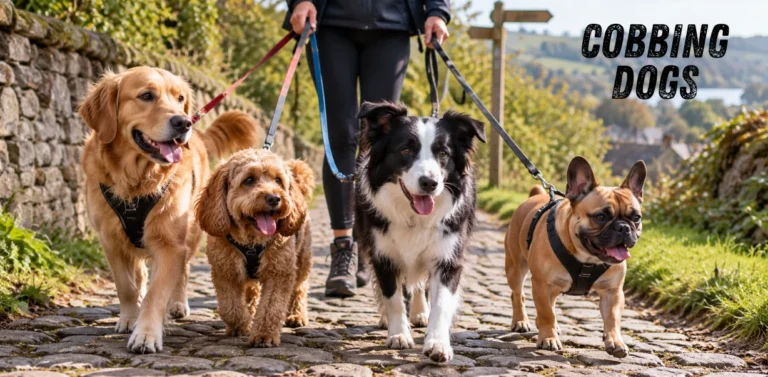
Cobbing dogs is a gentle, rapid nibbling motion made mainly with the small front teeth. In relaxed situations, it often appears alongside affection, social grooming, play, attention-seeking, or self-soothing behavior. It deserves closer attention when the nibbling becomes forceful, repetitive, suddenly new, or focused on irritated skin.
| Cobbing Dogs | What dog owners should know |
|---|---|
| What it looks like | Small, quick nibbles made mainly with the front incisors |
| Common targets | Hands, arms, clothing, blankets, toys, another animal, or the dog’s own body |
| Common explanations | Affection, grooming, play, attention, comfort, or excitement |
| Usually harmless when | Pressure is light, and the dog’s body remains relaxed |
| Check more closely when | The behavior is sudden, obsessive, painful, or aimed repeatedly at one skin area. |
| Best response | Observe the context, redirect as needed, and watch for medical warning signs. |
Direct answer: Dog cobbing is usually a soft front-tooth nibble on people, other animals, blankets, toys, or the dog’s own body. A relaxed body and light pressure usually suggest harmless social or soothing behavior. Persistent self-nibbling, skin damage, pain, sudden behavior changes, or stiff body language deserve closer attention.
Key takeaways
- Gentle front-tooth nibbling is usually different from a forceful bite.
- Context matters more than the nibble alone, so watch posture, pressure, timing, and the target.
- Repeated nibbling of one itchy area can point to allergies, parasites, irritation, or another skin problem.
- You can redirect unwanted nibbling with toys and calmer activities rather than physical punishment.
What This Front-Tooth Nibbling Looks Like
The informal term “cobbing” describes quick, delicate chewing with a dog’s front incisors. The movement can resemble a person eating kernels from a corn cob, which gives the nickname its origin. Dogs may perform it on people, other animals, fabric, toys, or their own fur.
Pressure and body language help separate a friendly nibble from a behavior that needs intervention. A dog with loose muscles, a soft face, and gentle contact sends a different signal than one that becomes stiff, tense, or forceful. The ASPCA similarly advises owners to consider body tension and bite intensity when distinguishing playful mouthing from potentially aggressive behavior.
| Behavior | Typical pressure | Common body language | What it may mean |
|---|---|---|---|
| Gentle front-tooth nibbling | Light | Relaxed, loose | Social contact, grooming, comfort |
| Play mouthing. | Light to moderate | Excited but generally loose | Play or excess excitement |
| Nipping | Sharper contact | Maybe excited or frustrated | Poor impulse control, play, warning |
| Aggressive biting | Strong or escalating | Stiffness, tension, threatening signals | Fear, conflict, pain, or aggression |
The distinction is important because treating every use of a dog’s mouth as aggression can lead to the wrong response. At the same time, calling every nibble affectionate can make owners overlook pain or skin irritation. Look at what happened before the behavior, where the dog is nibbling, and how easily the dog stops.
Why Cobbing Dogs Nibble: Common Reasons
No single explanation applies to every situation. Recent behavior-focused sources describe gentle nibbling in social contexts as potentially related to affection, grooming, play, communication, or calming behavior. The target and surrounding circumstances usually provide the strongest clues.
Affection and Social Grooming
Dogs sometimes use gentle mouth contact during calm interaction with trusted people or animal companions. The behavior may resemble social grooming, particularly when it happens while two animals are resting together. Whole Dog Journal notes that dogs may direct this light nibbling toward people, canine housemates, and other familiar animals.
A dog that softly nibbles your sleeve while being petted may therefore be responding to pleasant social contact. That interpretation becomes more likely when the body stays loose, and the dog can disengage easily. Dogs that live closely with a family, such as the English Labrador in this profile of Mike Macdonald’s household, spend hours in the calm physical contact where this nibbling usually shows up. Affection is one possible explanation, though owners should avoid assuming it is the cause every time.
Play, Attention, and Excitement
Some dogs discover that using their mouths gets an immediate response from people. They may repeat the behavior because it starts play, earns petting, or makes someone look at them. Younger dogs can also be more mouth-oriented because chewing and playful biting are common parts of puppy development.
Excitement changes the picture because light contact can become harder as arousal rises. Watch for gentle nibbling during wrestling, greetings, or energetic petting that grows more intense. If that pattern occurs, end the exciting interaction briefly and offer a toy to help prevent escalation.
Comfort and Self-Soothing
Some behavior specialists describe repeated gentle nibbling as a form of self-regulation or soothing. A dog may work at a blanket, toy, or familiar person during quiet periods or heightened emotions. Adopt a Pet’s expert-backed discussion notes that this behavior can occur during affection, overstimulation, excitement, or emotional conflict.
Frequency still matters because a soothing habit can become excessive. An occasional nibbling session on a blanket is different from a dog that cannot settle without repeatedly chewing objects or itself. Changes in sleep, appetite, activity, or other behavior give additional context for deciding whether professional advice is useful.
Itching, Irritation, or Physical Discomfort
Self-nibbling deserves a separate check because a dog may be trying to relieve an itch. VCA Animal Hospitals lists allergies, flea allergy dermatitis, contact irritation, mites, and other skin disorders among common causes of itching in dogs. Severe itching can also produce redness, hair loss, scabs, or damaged skin.
Pay particular attention when your dog repeatedly targets the same paw, leg, flank, or patch of skin. Look for redness, moisture, odor, hair loss, swelling, fleas, scabs, or tenderness, but do not dig aggressively at the area. A veterinarian can determine the cause when the behavior persists or is accompanied by visible skin changes.
| Situation you notice | More likely explanation | Useful first response |
|---|---|---|
| Gentle nibbling during petting | Social interaction or affection | Allow it if comfortable and gentle. |
| Nibbling another relaxed dog | Grooming, play, social contact | Monitor both dogs’ body language. |
| Nibbling during excited greetings | Attention or arousal | Lower excitement and redirect |
| Working gently on a blanket | Comfort or habit | Offer appropriate chew options. |
| Repeated nibbling of one body area | Itch, pain, or irritation | Examine the area and contact a vet if persistent. |
| Harder contact with stiffness or growling | Conflict, fear, or aggression | Stop interaction safely and seek qualified help. |
When This Behavior Needs a Closer Look
A sudden change is more informative than the habit alone. Contact your veterinarian if a dog repeatedly chews one area, damages the skin, appears in pain, develops redness or hair loss, or cannot stop the behavior. VCA advises veterinary evaluation for persistent itching because allergies, parasites, infections, and other conditions can produce chewing and excessive grooming.
Behavioral warning signs also matter. The ASPCA describes relaxed facial and body muscles as more typical of playful mouthing, while stiff posture and more painful biting can accompany aggressive behavior. If mouth contact becomes threatening, causes injury, or appears linked to fear or frustration, a qualified veterinary behavior professional or experienced trainer can help assess it safely.
You should also consider who receives the nibbling. A level of mouth contact that an adult tolerates may be inappropriate around young children or anyone unable to respond safely. Adult dogs can cause accidental injuries even when mouth contact begins as play, so supervision and clear boundaries remain sensible.
How to Respond Without Turning It Into a Battle

You do not need to punish a dog for every gentle nibble. If the behavior is harmless but unwanted, calmly interrupt it and offer an appropriate chew or play toy instead. The ASPCA recommends substituting toys and using play that keeps teeth away from human skin when owners are working on mouthy behavior.
Consistency matters more than confrontation. If gentle contact earns calm interaction but harder contact ends play, the dog receives clearer feedback about acceptable pressure. Short breaks can also help an excited dog settle before interaction resumes. Avoid hitting, grabbing the muzzle, or using other physical punishment to stop playful mouth behavior.
The ASPCA warns that physical punishment can increase rough play, create fear, and potentially contribute to aggressive responses. Calm redirection gives the dog an alternative behavior without adding conflict. The same preference for humane handling runs through the animal-welfare advocacy in Pink’s career, which has put a public face on kinder treatment of pets.
Your Next Step
Watch the next nibbling episode before deciding whether it’s cute or concerning. Note the target, pressure, body language, trigger, duration, and condition of your dog’s skin, then calmly redirect unwanted mouth contact. If you see pain, skin damage, compulsive repetition, or threatening body language, contact your veterinarian or a qualified canine behavior professional. For more everyday pet and lifestyle reading, browse the Magazinezine homepage.
Frequently Asked Questions
Is cobbing dogs’ behavior normal?
In many cases, yes, particularly when the nibbling is gentle and occurs during relaxed social interaction. Normal-looking behavior should stop easily and should not cause pain, wounds, or obvious distress. Repetitive self-chewing or a sudden change in intensity deserves more attention.
Why does my dog nibble me with its front teeth?
Your dog may be seeking social contact, grooming you, inviting interaction, calming itself, or responding to excitement. The meaning becomes clearer when you consider what was happening immediately before the nibbling began. Relaxed posture and soft pressure are more reassuring than tension or increasing force.
Why does my dog nibble blankets or another dog?
Blanket nibbling can occur during settling or quiet self-soothing, while gentle nibbling of another dog may occur during play or social grooming. Both animals should remain comfortable if the interaction is friendly. Separate them if one dog tries to escape, stiffens, snaps, or appears distressed.
When should I call a veterinarian about nibbling?
Call your veterinarian when your dog repeatedly works at one area of its body or develops redness, swelling, hair loss, odor, sores, or signs of pain. Persistent chewing can accompany allergies, parasites, skin infections, and other medical problems. A veterinary examination is safer than trying to diagnose the cause from the behavior alone.