Introduction
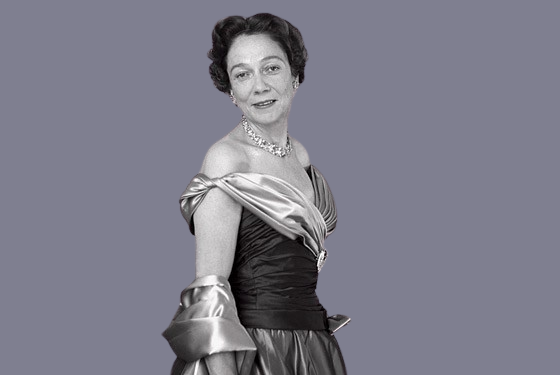
Brooke Astor was a well-known and admired figure in New York City. She was famous for her kindness and for helping others. She was born in 1902 and married to a wealthy family called the Astors. Brooke Astor cared a lot about culture and helping people. She supported places like the Metropolitan Museum of Art and the New York Public Library. Known for her unwavering dedication to cultural enrichment and charitable causes, Astor left an indelible mark on the city’s landscape. The size of Brooke Astor’s net worth indicated her considerable influence and success in the money.
| Category | Details |
|---|
| Full Name | Roberta Brooke Russell |
| Birth Date | March 30, 1902 |
| Birth Place | Portsmouth, New Hampshire, USA |
| Death Date | August 13, 2007 |
| Death Place | Briarcliff Manor, New York, USA |
| Profession | Socialite, Philanthropist |
| Known For | Philanthropy, especially in New York City |
| Major Contributions | Supported cultural, educational, and charitable institutions |
| Notable Works | Books: “Patchwork Child: Early Memories,” “Footprints” |
| Family | Married three times, most notably to Vincent Astor |
| Children | Anthony Dryden Kuser |
| Awards | Presidential Medal of Freedom (1998) |
| Brooke Astor’s Net Worth | $130 million |
| Education | Educated by private tutors, briefly attended The Madeira School |
| Legacy | Considered one of the greatest philanthropists of the 20th century |
Brooke Astor’s Net Worth
Brooke Astor’s net worth is $130 million, reflecting her significant financial success and influence. A respected philanthropist and socialite in New York City, she accumulated substantial wealth through her family’s connections and investments. She was known for generous support of cultural and educational institutions like the Metropolitan Museum of Art and the New York Public Library. Astor’s financial legacy extended far beyond her fortune.
Her estate planning and charitable contributions ensured that her impact on society continued even after passing. Exploring Brooke Astor’s net worth reveals her financial standing and underscores her enduring legacy of philanthropy and dedication to enriching the cultural fabric of the city she loved.
A Legacy of Generosity: Brooke Astor’s Philanthropic Influence
Brooke Astor became widely admired for transforming her inherited wealth into a lifelong mission of philanthropy. After taking charge of the Vincent Astor Foundation, she focused its efforts on improving the quality of life in New York City, supporting cultural institutions, libraries, social programs, and community-focused projects. Her charitable work reflected a deep belief in using personal resources to uplift others, and she remained actively involved in humanitarian causes even after the foundation closed. Through her dedication and compassion, Astor established herself as a symbol of generous stewardship and meaningful social impact.
Early Life of Brooke Astor
Humble Beginning
Brooke Astor, originally Roberta Brooke Russell, was born in Portsmouth, New Hampshire, on March 30, 1902. Her upbringing was marked by modesty and simplicity, laying the foundation for values of diligence and empathy that would later shape her philanthropic endeavors.
Early Years in New York City
Moving to New York City, Brooke Astor quickly adapted to the social circles and responsibilities expected of an Astor. Her early years in the city were characterized by immersion in philanthropic causes and cultural engagements, laying the groundwork for her future role as a prominent philanthropist.
Education and Personal Growth
- Despite her privileged position, Brooke Astor valued education and personal growth.
- She cultivated a deep appreciation for the arts, literature, and social justice issues, which later influenced her decisions on charitable giving and investments that contributed to her net worth.
- Her early experiences and education in New York City gave her the knowledge and perspective to navigate societal expectations and personal aspirations.
Marriage to Vincent Astor
In 1919, Brooke Astor married Vincent Astor, the son of John Jacob Astor IV, one of America’s wealthiest men. This union catapulted her into the upper echelons of New York society, providing her with access to immense wealth and influence. Vincent’s inheritance and business acumen ensured the Astors remained prominent figures in philanthropy and cultural patronage throughout the early 20th century.
Brooke Astor’s Philanthropic Contributions
A defining aspect of Brooke Astor’s life was her unwavering commitment to philanthropy. She channeled her resources and influence into supporting various causes, particularly emphasizing education, the arts, and social welfare. Institutions like the Metropolitan Museum of Art and the New York Public Library benefited greatly from her patronage, receiving financial support and her personal involvement in fundraising and governance.
The Astor Foundation
Established in 1959, the Vincent Astor Foundation became a vehicle through which Brooke Astor channeled her charitable efforts. The foundation’s mission was to support educational programs, alleviate poverty, and enhance cultural institutions in New York City. Under her stewardship, the foundation became a pivotal force in shaping the city’s cultural landscape, funding initiatives that promoted access to the arts and education for underserved communities.
Brooke Astor’s Personal Wealth and Investments
While precise figures of Brooke Astor’s net worth are speculative, her financial acumen and the Astor family’s vast holdings are well-documented. From real estate investments to stock portfolios, the Astors maintained substantial wealth, enabling Brooke Astor to engage in philanthropy on a grand scale. Her estate planning and financial strategies ensured the perpetuation of her philanthropic legacy even after she died in 2007.
Cultural Influence and Legacy
Brooke Astor’s influence extended far beyond her financial contributions. She was revered for her grace, charm, and ability to connect with people from all walks of life. Her role as a cultural ambassador for New York City earned her widespread admiration, cementing her status as a beloved figure in the city’s history. The impact of her philanthropy continues to resonate through the institutions she supported, which remain integral to the city’s cultural and educational fabric.
Financial Management and Legal Challenges
Trust and Estate Planning
Brooke Astor’s net worth was carefully managed through strategic trust and estate planning. Her meticulous approach to financial management allowed her to maintain her lifestyle and continue her philanthropic activities well into her later years.
Legal Disputes
- Despite her careful planning, Brooke Astor’s later years were marked by legal disputes concerning her estate.
- Allegations of elder abuse and financial mismanagement by her son, Anthony Marshall, led to a highly publicized court case.
- The legal battles underscored the complexities of managing substantial wealth and protecting the interests of elderly individuals.
Court Case Outcome
- The court case resulted in Anthony Marshall’s conviction for fraud and grand theft, highlighting the need for stringent oversight in estate management.
- The proceedings highlighted the challenges and responsibilities associated with significant wealth, particularly in the context of family dynamics and caregiving.
- Personal Reflections and Public Perception
Public Persona
- Brooke Astor was widely admired for her grace, elegance, and generosity.
- Her public persona as a benevolent socialite and dedicated philanthropist was carefully cultivated and maintained throughout her life.
- Her wealth was crucial in shaping this image, enabling her to host lavish events and support numerous causes.
Personal Reflections
- In her memoir, “Footprints,” Brooke Astor offered candid reflections on her life and experiences.
- She discussed the joys and challenges of her marriages, her philanthropic philosophy, and her views on wealth and responsibility.
- Her writings provide valuable insights into the woman behind the public image, revealing a thoughtful and compassionate individual.
Inheritance and Wealth Accumulation
Her marriages significantly strengthened Brooke Astor’s financial foundation. Beyond her inheritance from Vincent Astor, her previous marriages also contributed to her net worth. Her marriage to Charles Marshall, a successful stockbroker, provided her with financial security and further investments that continued to grow.
The Astor family’s wealth resulted from inheritance, effective management, and strategic investments. Vincent Astor’s stewardship of the family fortune laid a solid financial foundation, which Brooke Astor continued to build upon. The family’s long-term investment strategies and real estate holdings were critical in maintaining and growing their wealth.
Charitable Foundations and Their Financial Impact
Establishment of Charitable Foundations
Brooke Astor established several charitable foundations to manage her philanthropic activities. Funded by her wealth, these foundations focused on education, the arts, healthcare, and social services. Creating these foundations ensured a structured and sustained approach to her charitable giving.
Impactful Grants and Endowments
The grants and endowments provided by Brooke Astor’s foundations significantly impacted the recipient organizations. Her financial support enabled these institutions to expand their programs, improve facilities, and reach more beneficiaries. The strategic allocation of funds maximized the effectiveness of her philanthropic efforts.
Transparency and Accountability
Brooke Astor’s approach to philanthropy emphasized transparency and accountability. Her foundations were known for their rigorous selection processes and thorough evaluations of funded projects. This ensured that her donations were used effectively and aligned with her philanthropic goals.
Art and Cultural Investments
Art Patronage and Collection
- Brooke Astor’s passion for art extended beyond collecting.
- She was an active patron of contemporary artists, providing financial support and promoting their work.
- Her investments in emerging artists often resulted in a significant appreciation of her art collection’s value, adding to her net worth.
Cultural Heritage Preservation
- In addition to supporting contemporary art, Brooke Astor funded the preservation of cultural heritage sites and historical artifacts.
- Her contributions helped restore and maintain important cultural landmarks, ensuring their longevity and accessibility to future generations.
- These efforts underscored her commitment to cultural preservation as a form of philanthropy.
Conclusion
Brooke Astor’s net worth was a cornerstone of her influential life, enabling her to live in luxury while significantly impacting society. Through strategic investments, thoughtful philanthropy, and ethical wealth management, she supported numerous cultural, educational, and healthcare initiatives. Her dedication to social responsibility and innovative funding models set new standards in philanthropy. Brooke Astor’s legacy inspires future generations, demonstrating how substantial wealth can drive meaningful change and benefit society. Her life exemplifies the power of wealth when guided by compassion and foresight.
Apart from that if you want to know about “David Pakman Net Worth: An In-Depth Look at His Life, Career, and Personal Achievements” then please visit our “Entertainment” Category.
FAQs
She inherited wealth from her husband, Vincent Astor, and grew it through intelligent investments.
She invested in blue-chip stocks, real estate, and private equity.
She is best known for her leadership in philanthropy, especially through her work with the Vincent Astor Foundation, which supported numerous cultural and community projects.
She focused on libraries, museums, social service organizations, housing programs, and community improvement initiatives, emphasizing projects that benefitted New Yorkers.
Her generosity, elegance, and hands-on involvement in charitable activities made her a respected and beloved figure in the city’s social and philanthropic circles.