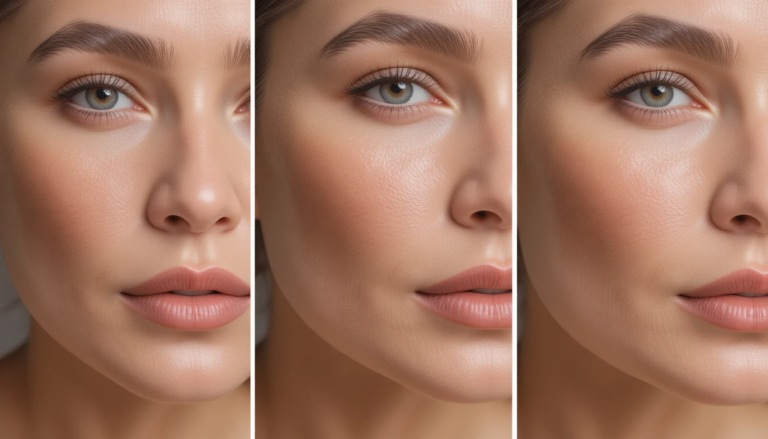
Choosing the right makeup becomes increasingly important as skin matures. Fine lines, wrinkles, dryness, and uneven texture can make foundation application more challenging, often leading to cakey or dull results. That’s why understanding the best Foundation for older skin is essential for achieving a smooth, radiant, and youthful appearance without compromising comfort or skin health.
This comprehensive guide explores everything from ingredients and coverage types to expert application techniques, helping you find the best Foundation for older skin that enhances your natural beauty rather than masking it.
| Aspect | Key Points | Recommended Approach / Tips |
| Ingredients to Look For | Hyaluronic Acid, Glycerin, Peptides, Vitamin C, Antioxidants | Hydrating, anti-aging, and skin-friendly formulas for smooth, radiant skin |
| Ingredients to Avoid | Alcohol, Heavy Powders, Fragrances, Matte-Only Formulas | Prevent dryness, irritation, and Foundation settling into fine lines |
| Coverage Types | Light, Medium, Full | Buildable medium coverage is ideal; full coverage for specific areas only |
| Foundation Textures | Liquid, Cream, Serum, Powder, Stick | Liquid, cream, and serum are best for mature skin; avoid heavy powders |
| Application Techniques | Prepping skin, primer, blending, minimal powder | Use a damp sponge or soft brush; apply thin layers and set strategically |
| Shade Matching | Undertones, jawline testing, and blending with the neck | Choose a seamless match to avoid harsh lines or unnatural appearance |
| Skincare Preparation | Cleanser, hydrating serum, moisturizer, sunscreen | Well-prepared skin enhances foundation glide, longevity, and natural finish. |
| Common Mistakes to Avoid | Too much product, skipping prep, wrong shade, over-powdering, poor blending | Focus on hydration, gradual application, and proper blending to prevent aging effects. |
| Long-Lasting Tips | Hydrating sprays, blotting, touch-ups | Avoid over-layering; maintain a fresh, natural appearance throughout the day. |
| Overall Goal | Smooth, radiant, youthful complexion | Enhance natural beauty while addressing the needs of mature skin with the right products and techniques. |
Understanding Mature Skin and Its Needs

As skin ages, it undergoes several changes that directly impact how makeup sits and performs. Collagen production decreases, elasticity decreases, and moisture retention decreases. These factors can cause the Foundation to settle into fine lines or emphasize dry patches.
When searching for the best Foundation for older skin, it’s important to prioritize hydration, lightweight textures, and formulas designed to work with—not against—these changes. Mature skin benefits from products that deliver a natural glow rather than a heavy matte finish.
Best Foundation for Older Skin: Key Ingredients
The ingredients in a foundation can significantly influence how it performs on mature skin. Selecting the right formulation ensures both skincare benefits and cosmetic results.
Essential Ingredients
- Hyaluronic Acid: Helps retain moisture and plump the skin
- Glycerin: Provides hydration and prevents dryness
- Peptides: Support skin elasticity and smoothness
- Vitamin C: Brightens the complexion and evens skin tone
- Antioxidants: Protect against environmental damage
These ingredients are commonly found in the best Foundation for older skin, offering both coverage and skincare benefits in one product.
Ingredients to Avoid

While some ingredients enhance performance, others can worsen the appearance of aging skin.
- Alcohol-Based Formulas: Can dry out the skin
- Heavy Powders: May settle into fine lines
- Fragrances: Can irritate sensitive skin
- Matte Finishes: Often highlight texture and wrinkles
Avoiding these ensures that your Foundation works harmoniously with mature skin.
Choosing the Right Coverage
Coverage plays a major role in achieving a flawless look. The best Foundation for older skin typically offers buildable coverage rather than full, heavy layers, allowing the skin to appear natural and radiant. Light coverage helps even out skin tone while maintaining a fresh, barely-there look, whereas medium coverage effectively conceals imperfections without appearing heavy or cakey.
Full coverage can still be useful, but it is best applied sparingly to specific areas that need extra correction. For most mature skin types, medium and buildable coverage provides the ideal balance between concealment and a soft, natural glow.
Best Foundation Textures for Mature Skin
Texture is just as important as coverage when selecting the best Foundation for older skin.
Recommended Textures
- Liquid Foundations: Hydrating and easy to blend
- Cream Foundations: Provide moisture and smooth coverage
- Serum Foundations: Lightweight with skincare benefits
Less Suitable Options
- Powder foundations, which can appear dry
- Thick matte formulas that emphasize wrinkles
Choosing the right texture ensures a seamless and comfortable finish.
Application Techniques for a Flawless Finish
Even the best product won’t perform well without proper application. Mastering how to apply the best Foundation for older skin can dramatically improve results.
Step-by-Step Application
- Prep the Skin: Cleanse and apply a hydrating moisturizer
- Use a Primer: Choose a smoothing primer to blur fine lines
- Apply Foundation Lightly: Start with a small amount and build gradually
- Blend Gently: Use a damp sponge or soft brush
- Set Strategically: Apply minimal powder only where necessary
Proper technique ensures that Foundation enhances rather than hides your natural features.
Common Mistakes to Avoid

Many makeup mistakes can unintentionally age the skin, especially when working with mature complexions. Applying too much product can create a heavy, cakey appearance, while skipping proper skincare preparation may lead to uneven application and dryness. Using the wrong shade can make the skin look dull or unnatural, and over-powdering the face often emphasizes fine lines and texture.
Additionally, failing to blend properly around fine lines can cause the Foundation to settle and become more noticeable. Avoiding these common mistakes is key to making the best Foundation for older skin work effectively and deliver a smooth, youthful finish.
Foundation Types and Suitability for Older Skin
| Foundation Type | Key Benefits | Suitability for Mature Skin | Recommended Use |
| Liquid Foundation | Hydrating, lightweight | Highly suitable | Daily wear and natural finish |
| Cream Foundation | Rich texture, good coverage | Suitable for dry skin | Evening or full-coverage looks |
| Serum Foundation | Lightweight with skincare benefits | Excellent choice | Minimal, radiant makeup |
| Powder Foundation | Matte finish, oil control | Less suitable | Limited use on oily areas only |
| Stick Foundation | Convenient and portable | Moderate suitability | Spot coverage and touch-ups |
This table helps simplify the selection process by highlighting the strengths of each type.
How to Match Foundation Shade
Finding the right shade is crucial when choosing the best Foundation for older skin.
- Test foundation on the jawline, not the hand
- Choose a shade that blends seamlessly with your neck
- Avoid overly light or dark tones
- Consider undertones (warm, cool, neutral)
A perfect match enhances your natural complexion and prevents an artificial appearance.
Skincare and Foundation: The Perfect Combination
Foundation alone cannot create flawless skin—it must work in harmony with a proper skincare routine. Preparing the skin before makeup application is essential for achieving smooth and long-lasting results.
A pre-makeup routine should include a gentle cleanser to remove impurities, a hydrating serum to boost moisture, a moisturizer to nourish and soften the skin, and sunscreen to protect against environmental damage.
Well-prepared skin creates the perfect base, allowing the best Foundation for older skin to glide on evenly, blend effortlessly, and maintain a radiant finish throughout the day.
Natural vs Full Glam Looks

The best Foundation for older skin works well for both natural and glam styles, depending on how it’s applied.
Natural Look
- Light coverage
- Minimal layering
- Focus on glow and hydration
Glam Look
- Buildable medium coverage
- Strategic concealing
- Soft highlighting instead of heavy contouring
Balancing these approaches allows you to be flexible with your makeup routine.
Conclusion
Finding the best Foundation for older skin is about more than just coverage—it’s about enhancing your natural beauty while addressing the unique needs of mature skin. From choosing hydrating ingredients to mastering application techniques, every step contributes to a flawless finish.
By selecting the right formula, avoiding common mistakes, and maintaining a strong skincare routine, you can achieve a radiant, smooth complexion at any age.
Investing in quality products designed specifically for mature skin can make a noticeable difference in both appearance and longevity. With the right approach, makeup becomes a tool to highlight confidence and elegance rather than conceal imperfections.
Want to know about Top 10 White Women’s Sneakers That Elevate Any Outfit: Expert Reviews, Styling Tips, and Trend Predictions for 2025 Check out our Fashion category.
FAQs
Liquid and serum foundations are generally the best options due to their hydrating and lightweight properties.
Powder foundations can emphasize fine lines, so they should be used sparingly or avoided altogether.
Proper hydration, primer use, and applying thin layers help prevent settling.
It’s recommended to reassess your foundation choice as your skin changes over time, especially with age or seasonal shifts.