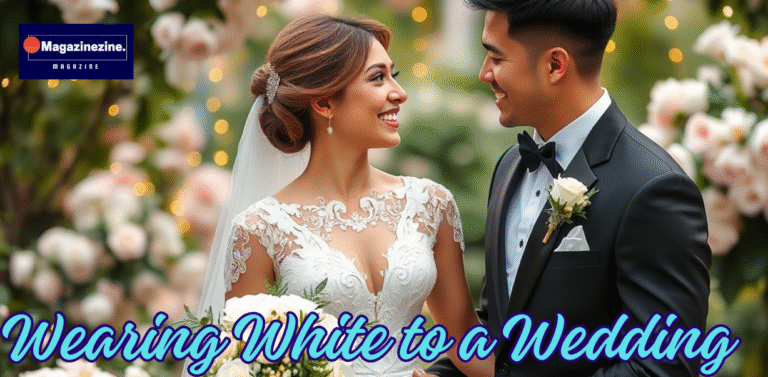
Introduction
The decision to wear white to a wedding has long sparked debate, occasionally leading to misunderstandings and heated opinions. Once an ironclad rule in wedding guest etiquette, the tradition of wearing white has evolved in response to fashion and shifting cultural norms.
While tradition warns guests to avoid anything that could upstage the bride, modern weddings are rewriting the rules. So, where does that leave stylish guests who love crisp whites and ivory tones? This comprehensive guide delves into the dos and don’ts of wearing white to a wedding, exploring etiquette, dress codes, style tips, and expert advice to help you navigate the decision with elegance and confidence.
White Outfit Do’s and Don’ts Based on Wedding Type
| Topic | Relevant Information |
|---|---|
| Cocktail or Semi-Formal | Light colors, such as white, can work well, especially when paired with prints or accessories. |
| Themed Weddings | White may be encouraged in themes like Boho or “White Party.” Always follow the theme. |
| Pro Tip | Light colors, including white, can work, especially with prints or accessories. |
| Mix White with Colors | Pair a white piece with a colorful or patterned item to soften the bridal look. |
| Avoid Bridal Fabrics | Skip lace, satin, and tulle. Choose cotton, linen, or crepe for a more casual vibe. |
| Choose Unique Silhouettes | Use standout items, such as statement earrings, colored clutches, or bright shoes. |
| Bold Accessories | Unsure? Ask the couple or the bridal party. Don’t assume white is okay. |
| Mistake: Long White Gown | Even simple ones are a no-go. Guests may assume you’re trying to outshine the bride. |
| Mistake: Outshining the Bride | Keep your outfit elegant but subtle. Never look more formal than the couple. |
| Mistake: Matching Wedding Aesthetic | Don’t mimic the bride’s theme, color palette, or hairstyle. |
| Mistake: Over-accessorizing | Opt for separates, wide-leg pants, or structured outfits to avoid a bridal look. |
| Cultural Note – China | White is often worn at funerals—avoid wearing it at Chinese weddings. |
| Cultural Note – India | White can symbolize mourning; red and gold are traditional bridal colors. |
| Cultural Note – Middle East | Simplicity is key. Don’t distract with excessive sparkle or volume. |
| Alternative – Champagne | A festive and elegant shade that isn’t typically seen as bridal. |
| Alternative – Blush | Feminine and seasonal—perfect for spring and summer events. |
| Alternative – Pale Blue/Lavender | Soft and non-controversial; maintains a fresh, clean look. |
| Alternative – Metallics | Great for evening weddings—adds glam without confusion. |
| Alternative – Pastel Prints | Modesty is important; dress conservatively and avoid wearing white unless you’re certain. |
| Etiquette Tip: Ask First | When in doubt, always check with the bride or planner before choosing white. |
| Etiquette Tip: Consider Photos | White stands out in photos. Avoid being mistaken for the bride or bridesmaids. |
Wearing White to a Wedding
Wearing white to a wedding has long been considered a major faux pas for guests, and the roots of this etiquette rule are grounded in tradition. The tradition of wearing white at weddings traces back to Queen Victoria’s 1840 ceremony, where her white gown signified purity and set a lasting precedent. Since then, white has become deeply ingrained in Western bridal culture, symbolizing elegance and reinforcing the idea that only the bride should don this distinguished shade.
Is It Ever Acceptable to Wear White to a Wedding?
While the classic advice is to avoid white entirely, context can change the game. Modern weddings often eschew traditional rules in favor of creativity, personal style, or themed aesthetics.
When It’s (Possibly) Acceptable:
- The bride says so: Some brides are open about their style choices and may even encourage guests to wear white for a coordinated look.
- All-white-themed wedding: Certain fashion-forward couples intentionally request an all-white dress code for visual cohesion.
- Destination weddings, such as tropical or beach weddings, often favor lighter, breezy attire, making white a less problematic choice if worn tastefully.
- As a bridal party request, Bridesmaids or family members may be asked to wear white to match the bride’s aesthetic.
When It’s Not Appropriate:
- Traditional or religious ceremonies: Many cultures and religions still uphold strict attire customs, and wearing white could be seen as disrespectful.
- If it resembles a wedding dress, a white dress with lace, a train, or a full silhouette will almost always be considered out of line.
- If unsure about the bride’s preferences: When in doubt, avoid white. Opting for caution is often wiser than chancing a bold outfit that could backfire.
Understanding the Dress Code: Decoding Invitations

Wedding invitations usually carry clues about the expected dress code. Understanding these hints helps you decide whether white is off-limits or optional.
Formal or Black-Tie
In this case, opt for rich, bold colors or deep, jewel-toned shades. White or pale shades should generally be avoided unless stated otherwise.
Cocktail or Semi-Formal
You have more flexibility here, but if white is allowed, it must be styled very differently from anything bridal.
Casual or Beach
Light colors—including white—can be acceptable here, especially when paired with bold prints or accessories.
Themed Weddings
Some weddings call for creative expression. If it’s a Boho, Vintage, or “White Party” theme, wearing white may be encouraged.
Pro Tip: If you’re unsure, check the couple’s wedding website or contact someone in the bridal party for clarification.
Styling White the Right Way: Tasteful, Not Tacky

If you’ve confirmed that white is permitted, your next task is to wear it without overshadowing the bride. The goal is elegance with boundaries. Here’s how to style white thoughtfully:
Mix White with Other Colors
Don’t go head-to-toe white. A white blouse with a patterned skirt or a neutral jacket over a white jumpsuit adds dimension and shifts attention.
Avoid Bridal Fabrics
Lace, satin, tulle, and other wedding dress materials are a no-go. Opt for structured cotton, linen, or crepe to avoid looking like a bride.
Choose Unique Silhouettes
Instead of dresses, try separates, such as wide-leg trousers or midi skirts. These give a contemporary edge and reduce bridal associations.
Accessorize Boldly
A colorful belt, bold clutch, statement earrings, or bright shoes instantly make your outfit look less bridal and more festive.
Fashion Mistakes to Avoid

Even if you’re allowed to wear white, here are mistakes you should steer clear of:
- Wearing a long white gown: It doesn’t matter how simple it looks—people will talk.
- Looking more formal than the bride: Guests should never try to outshine the couple.
- Matching the wedding aesthetic too closely: Avoid echoing the bride’s color palette or accessories.
- Over-accessorizing: Keep your look elegant, not extravagant.
Cultural and Global Considerations

Wearing white isn’t universally symbolic of weddings. In some cultures, white represents mourning, while in others, it has no special significance. When attending multicultural weddings, it’s essential to consider regional, spiritual, and familial customs.
Examples
- In China, white is traditionally worn at funerals.
- India: Red and gold are bridal colors; white may be associated with widowhood.
- Middle Eastern weddings: Modesty and family honor influence dress choices.
Understanding these customs demonstrates cultural sensitivity and helps you avoid uncomfortable misunderstandings.
Alternatives to White That Still Look Stunning

Not sure about white, but still want a light, stylish look? Many bridal-adjacent shades offer elegance without controversy:
- Champagne: Elegant and festive, without being too bridal.
- Blush: Romantic and feminine, great for spring and summer weddings.
- Pale blue or lavender: Soft yet colorful options that won’t raise eyebrows.
- Silver or metallics: Perfect for evening weddings, offering a touch of sparkle and style.
- Pastels with prints: Florals or patterns on light backgrounds help you blend in while standing out tastefully.
White Done Right: Real-Life Examples
Here are a few examples of how guests have successfully worn white without breaking etiquette:
- White pantsuit with colored accessories at a New York rooftop wedding.
- White maxi dress with large floral patterns at a garden ceremony.
- Ivory pencil skirt and navy silk blouse combo for a courthouse celebration.
Conclusion
Wearing white to a wedding doesn’t have to be a fashion disaster or an etiquette faux pas—if done thoughtfully and respectfully. With changing traditions and more personalized celebrations, some modern couples welcome creativity and freedom of color, including white.
However, it’s always essential to consider the bride’s preferences, the dress code, and the cultural context before committing to a white outfit. Whether you choose to wear it or skip it, remember that the ultimate goal is to honor the couple and their big day. When in doubt, opt for elegance, simplicity, and a splash of your flair, without stealing the spotlight.
Want to know about “Spring Toenail Colors: The Ultimate Guide to Creative Nail Art, Skin Tone Matching” Check out our “Fashion” category.
Frequently Asked Questions (FAQs)
Traditionally, guests should avoid wearing white to a wedding, as it’s reserved for the bride and may be seen as disrespectful. Some weddings make white acceptable for guests when the couple explicitly requests an all-white theme or gives prior permission.
White at a wedding traditionally symbolizes purity, innocence, and new beginnings, reflecting the bride’s fresh start in married life.
Yes—some couples request white attire for themed or destination weddings. Always check the invitation or ask directly.