Introduction
Replacing bathroom faucet is a detailed DIY project that begins with understanding your sink’s configuration among three common types: 3-hole, single-hole, or widespread setups.
While homeowners can handle basic replacements, certain situations may require professional intervention, especially with complex plumbing configurations or high-end fixtures.
Success depends on proper installation techniques, regular maintenance, and prompt attention to potential issues, ultimately leading to improved bathroom functionality and water efficiency.
Here’s a table showing the details related to replacing bathroom faucet:
| Aspect | Details |
| Faucet Configurations | Standard 3-hole design, single-hole installations, widespread 8-inch setups. |
| Essential Tools | Basin wrench, adjustable pliers, plumber’s tape, silicon sealant, bucket and rags, flashlight, channel lock pliers. |
| Installation Steps | Remove old faucet, position deck plate, thread supply lines, secure mounting nuts, connect water lines, test for leaks. |
| Common Issues | Cartridge problems, valve and handle issues, loose connections, uneven water pressure. |
| Maintenance Tasks | Regular cleaning, monthly leak checks, gasket replacement, and aerator maintenance. |
| Cost Range | Total cost, faucet quality, installation complexity, professional fees. |
| Professional Help Needed | Complex configurations, corroded pipes, high-end fixtures, and lack of proper tools. |
Essential Considerations Before Replacing Your Bathroom Faucet
Before replacing a bathroom faucet, it’s important to assess both functionality and style compatibility with your existing sink and décor. Faucets come in various configurations—such as single-hole, centerset, and widespread—so confirming the number and spacing of your current holes helps ensure a proper fit and avoids costly adjustments. Additionally, choosing a finish that complements other fixtures, like towel bars or shower hardware, enhances overall bathroom cohesion. Understanding these key factors not only simplifies installation but also ensures that your new faucet improves usability, matches your design preferences, and provides long-lasting performance without unexpected complications.
Understanding Your Replacing Bathroom Faucet Configuration

Before diving into bathroom sink faucet replacement, it’s crucial to identify your sink’s configuration. Modern sinks typically feature one of three setups:
- 3-hole faucet replacement configurations (most common)
- Single-hole installations
- Widespread (8-inch) setups
When replacing bathroom faucet fixtures, ensure your new faucet matches your sink’s hole pattern. Many modern faucets come with base plates that can adapt single-hole faucets to fit 3-hole sinks, offering flexibility in your design choices.
Essential Tools and Preparation
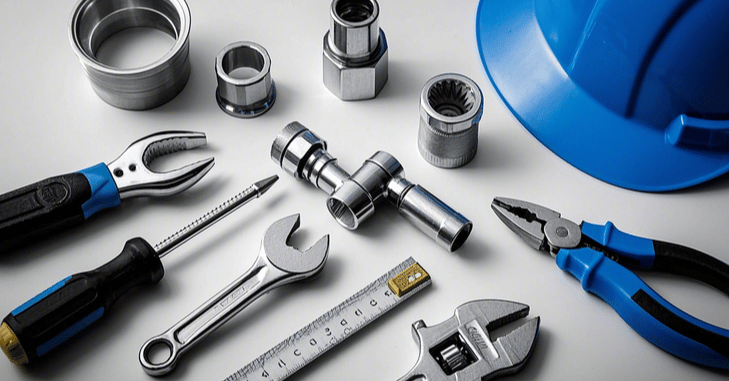
A successful installation requires proper tools and preparation:
Required Tools
- Basin wrench
- Adjustable pliers
- Plumber’s tape
- Silicon sealant
- Bucket and rags
- Flashlight
- Channel-lock pliers
Before starting the bathroom faucet replacement, shut off the water supply and clear the area under your sink. This preparation prevents water damage and gives you adequate working space.
Step-by-Step Replacement Process

Removal of Old Faucet
Begin by disconnecting the water supply lines and removing the old mounting hardware. If you’re replacing bathroom faucets with copper pipes, take extra care not to damage the existing plumbing connections.
Installation of New Faucet
When installing the new faucet, follow these critical steps:
- Position the deck plate with fresh sealant
- Thread supply lines through mounting holes
- Secure mounting nuts from underneath
- Connect water supply lines properly
- Test for leaks before finalizing
Common Component Replacements

Sometimes, a complete faucet replacement isn’t necessary. Here are common component replacements:
Cartridge Replacement
Replacing bathroom faucet cartridges is often the solution for leaky faucets. Signs you need a cartridge replacement include:
- Dripping when the handle is off
- Difficult handling movement
- Inconsistent water flow
Valve and Handle Issues
Replacing the bathroom faucet valve or replacing bathroom faucet handles can resolve issues like:
- Loose or sticky handles
- Water temperature control problems
- Squeaking or grinding sounds
Special Installation Scenarios
Pedestal Sink Installation
Installing a pedestal sink in your bathroom demands meticulous attention to detail. The limited working space around the pedestal requires careful planning and precise movements during installation.
Proper alignment is crucial to ensure stability and aesthetic appeal, as even slight misalignments can affect both functionality and appearance.
The pedestal itself needs delicate handling throughout the installation process to prevent chips, cracks, or damage to its finish while also ensuring it provides adequate support for the sink basin.
Aerator Maintenance
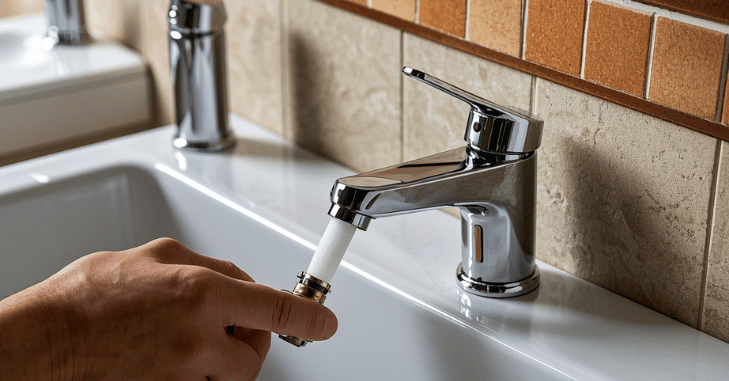
Replacing a bathroom faucet aerator is a simple yet essential maintenance task that offers multiple benefits. This straightforward procedure effectively improves water flow by clearing blockages and ensuring smooth operation.
Regular aerator maintenance helps remove mineral buildup that naturally accumulates over time, preventing potential clogs and water pressure issues.
Additionally, a well-maintained aerator enhances overall water efficiency, potentially reducing water consumption while maintaining optimal performance.
Maintenance Tips for Longevity
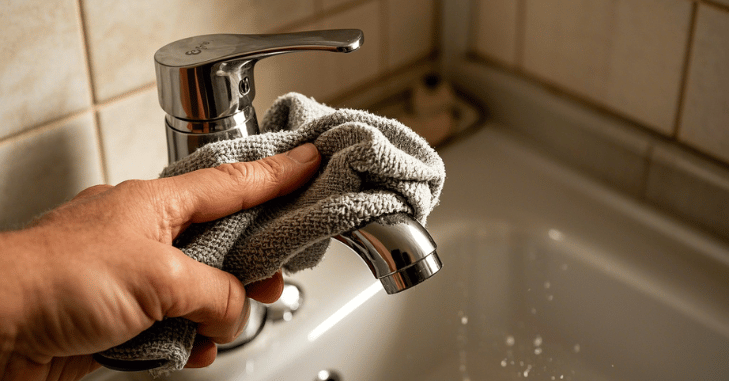
To extend your new faucet’s life:
- Clean regularly with appropriate products.
- Check for leaks monthly.
- Replace the bathroom faucet gasket when signs of wear appear.
- Address issues promptly to prevent larger problems.
When to Call a Plumber?
Professional plumbers should be consulted when facing complex plumbing configurations that require specialized knowledge or when discovering corroded or damaged pipes that may need extensive repairs.
Similarly, the installation of high-end fixtures deserves expert handling to protect your investment and ensure proper functionality. If you lack the necessary tools or experience for the job, hiring a professional can prevent costly mistakes and ensure a proper installation.
Cost Considerations

Replacing a bathroom faucet typically costs between $170 and $360, depending on your choice of faucet. This price includes the cost of the faucet itself and the labor for installation.
The cost varies depending on several factors:
- Faucet quality and brand
- Installation complexity
- Professional installation fees
- Additional required materials
Troubleshooting Common Issues

After installation, it’s essential to monitor your faucet for several potential issues that may arise. Keep an eye out for loose connections that could lead to leaks, and check that all seals are properly installed to prevent water seepage.
Watch for signs of uneven water pressure, which might indicate internal problems, and pay attention to any temperature control irregularities that could affect your comfort and safety during use.
Conclusion
Whether you’re replacing bathroom faucet stem components or installing a completely new fixture, proper preparation and attention to detail are crucial. This project can significantly improve your bathroom’s functionality while potentially saving water and money through improved efficiency.
Remember to keep your faucet’s documentation and spare parts for future maintenance. Regular upkeep and prompt attention to minor issues will ensure your new faucet provides years of reliable service.
By following this guide and understanding your specific installation requirements, you can successfully complete your bathroom faucet replacement project while avoiding common pitfalls and ensuring a professional-quality result.
Apart from that if you want to know about “The Best Drain Unclogger: Solutions to Keep Your Drains Flowing Smoothly” then please visit our “Home Improvement” Category.
FAQs
Bathroom faucets require specific matching to sink hole patterns, with three main types: single-hole, 4-inch centerset (3 holes), and 8-inch widespread (3 holes), though deck plates and adapters can help with compatibility.
Faucets typically need replacement after 15 years of use or when showing signs of persistent leaks, poor water pressure, visible corrosion, or outdated appearance that affects functionality or aesthetics.
Measure between the outer hole centers on your sink. For three-hole sinks, measure from the leftmost to the rightmost hole center. Standard spreads are 4 inches (centerset) or 8 inches (widespread).
While brands differ, any faucet matching your sink’s configuration will work. Focus on quality and style preferences rather than specific brands.
Replacing a bathroom faucet usually takes between one and two hours, depending on experience and the condition of existing plumbing.