Introduction
Mold in dishwashers can be a common problem, often caused by the moist environment inside the machine. When food particles and moisture are left behind after cleaning, they create the perfect conditions for mold to grow. Mold in a dishwasher can lead to unpleasant odors, unhealthy living conditions, and even contamination of dishes. If you notice signs of mold in your dishwasher, it’s important to clean it thoroughly and take steps to prevent future growth. Regular maintenance and proper cleaning techniques can help keep your dishwasher mold-free and ensure your dishes are safe and clean.
Why Mold Develops in Dishwashers and What It Signals
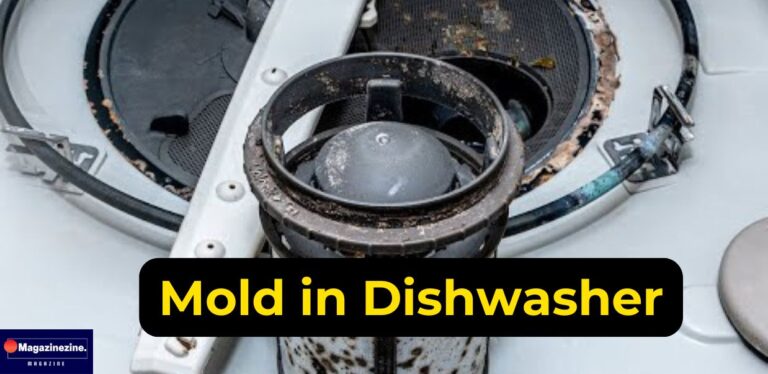
Mold in dishwashers often appears in hidden areas like door seals, filter compartments, and spray arm bases because these spots trap moisture, food particles, and soap residue that create an ideal environment for fungal growth. This issue can be exacerbated when dishes are not rinsed properly or when the dishwasher is rarely run on a high-temperature cycle, allowing damp conditions to persist between uses. The presence of mold not only affects cleanliness but can also indicate that the appliance’s drainage and ventilation are not functioning optimally, underscoring the importance of regular inspection and maintenance to prevent buildup and ensure sanitary operation.
Mold In Dishwashers
Mold in dishwashers can develop due to the warm, damp environment inside the machine. When leftover food particles, soap scum, and moisture build-up, it creates an ideal space for mold to grow. Mold in dishwashers can cause bad smells and even affect the cleanliness of your dishes. To prevent this, regularly cleaning your dishwasher, including the filters and seals, is important. Running a cleaning cycle with vinegar or baking soda can also help remove any existing mold. Keeping the dishwasher dry by leaving the door open after use can further reduce mold growth.
Causes of Mold in Dishwashers
There are several reasons mold can develop inside a dishwasher. One of the main causes is food debris that gets trapped in the filters or along the seals. When food particles aren’t fully washed away, they provide a source of nutrition for mold. Additionally, the moisture left behind after a cycle creates the perfect conditions for mold to thrive. Improper ventilation, such as keeping the dishwasher door closed after use, can trap humidity and encourage mold growth.
Signs of Mold in Dishwashers
Noticing mold in your dishwasher can be alarming. The most common signs include a musty or unpleasant odor when you open the dishwasher. You may also notice black or green spots around the door seals, on the interior walls, or near the filters. If your dishes come out smelling bad or you see residue not there before, it could indicate mold buildup. Identifying these signs early is important to prevent further contamination.

Health Risks of Mold in Dishwashers
Mold in dishwashers can pose health risks, especially for individuals with allergies or respiratory conditions. Mold spores released into the air can cause allergic reactions, including sneezing, coughing, or itchy eyes. In severe cases, mold exposure can lead to respiratory issues or asthma attacks. Using a dishwasher with mold can also spread the contamination to your dishes, potentially affecting the safety of your food. Keeping mold under control is essential for maintaining a healthy home environment.
How to Prevent Mold in Dishwashers
Preventing mold in dishwashers involves regular cleaning and proper maintenance. One effective method is to clean the dishwasher filters and seals after each use. Food particles often get trapped in these areas, so keeping them clean helps prevent mold from forming. After finishing a dishwasher cycle, slightly opening the door can help air circulate and reduce moisture buildup. Running an empty cleaning cycle with vinegar or baking soda once a month is also a great way to keep the interior mold-free.
Cleaning Mold in Dishwashers
If you discover mold in your dishwasher, it’s important to clean it thoroughly to eliminate the problem. Start by removing the bottom rack and cleaning the filter, as food particles can often get stuck there. Next, scrub around the door seals and other affected areas using white vinegar and water. You can also run a cleaning cycle using one cup of vinegar to break down mold and eliminate odors. For stubborn mold, baking soda can help scrub away any remaining spots.
Natural Cleaning Solutions for Mold in Dishwashers
Using natural cleaning solutions can effectively tackle mold in dishwashers without resorting to harsh chemicals. White vinegar is a popular choice for breaking down mold and killing bacteria. Place a cup of vinegar on the top rack and run a hot cycle. Baking soda is another natural cleaner that can be sprinkled on the bottom of the dishwasher before running a cycle. Both of these options are safe for your dishes and help prevent future mold growth.

Preventing Mold After Dishwasher Use
To prevent mold from returning after cleaning, it’s important to adopt good habits. Always scrape off food debris from dishes before loading them into the dishwasher. This reduces the chances of food particles getting trapped in the filters. After each use, wipe down the door seals with a dry cloth to remove excess moisture. Keeping the dishwasher door slightly open between uses can help air circulate and reduce dampness inside the machine, making it harder for mold to grow.
Replacing Dishwasher Parts to Stop Mold Growth
In some cases, mold in dishwashers may persist despite regular cleaning. If this happens, it could be due to damaged or worn-out parts like filters, seals, or spray arms. Replacing these parts can prevent mold from forming in hard-to-clean areas. Regularly inspecting the dishwasher for damage and addressing any issues promptly can help maintain a mold-free appliance. If you’re unsure which parts to replace, consulting a professional can guide you on keeping your dishwasher in good working condition.
The Role of Dishwasher Detergents in Mold Prevention
Using the right dishwasher detergent can also play a role in preventing mold in dishwashers. Too mild detergents may not effectively clean food residue, leading to buildup over time. On the other hand, high-quality detergents can break down grease and food particles more effectively, reducing the chances of mold developing. Additionally, some detergents are designed with antibacterial properties that can help keep the interior of your dishwasher cleaner and free of mold.
When to Call a Professional for Mold in Dishwashers
While regular cleaning and maintenance can often prevent or eliminate mold, there may be times when calling a professional is necessary. If mold continues to grow despite your efforts or spreads to areas you can’t reach, professional cleaning services can provide a deep clean. They have the tools and expertise to handle mold issues and can help extend the life of your dishwasher. In some cases, persistent mold problems may indicate a larger issue with the appliance, requiring a repair or replacement.

Conclusion
Mold in dishwashers can be a frustrating problem, but proper care and maintenance can prevent and manage it. Regular cleaning, natural cleaning solutions, and good ventilation practices are key to keeping your dishwasher mold-free. By promptly addressing mold growth promptly, you can ensure your dishwasher remains clean, your dishes stay safe, and your kitchen maintains a healthy environment. Taking these steps will help extend the life of your dishwasher and provide peace of mind in your home.
If you want to read an interesting article about it, explore our “Health” category.
FAQs
Regularly clean the filter seals and run cleaning cycles with vinegar or baking soda to prevent mold.
Dishwasher mold can pose health risks, especially for people with allergies or respiratory issues.
It’s recommended to clean your dishwasher at least once a month to prevent mold buildup.
Mold grows in dishwashers due to warm temperatures, trapped moisture, and leftover food residue that create an ideal environment for fungal growth.
Mold can pose health risks, especially for people with allergies, asthma, or weakened immune systems, and it may contaminate dishes if not addressed.