
Manslaughter is a serious criminal offense that falls between murder and lesser criminal acts in terms of severity and intent. A Manslaughter Charge arises when a person causes the death of another without premeditation or malice aforethought, making it distinct from a murder accusation.
Understanding a manslaughter charge involves examining its different types, potential legal consequences, the investigation process, courtroom procedures, and effective defense strategies.
This knowledge is essential for anyone facing such charges or seeking to understand how the law treats these complex cases. Understanding manslaughter requires careful examination of its types, legal consequences, investigation protocols, courtroom procedures, and potential defense strategies.
| Category | Overview |
| Manslaughter Charges | Legal accusation for causing death without premeditation or malice. Includes voluntary, involuntary, and vehicular types. |
| Types | Voluntary (intentional but unplanned), Involuntary (unintentional due to negligence), Vehicular (vehicle-related incidents). |
| Legal Implications | Criminal record, civil liability, probation or parole, and collateral consequences like employment restrictions. |
| Criminal Penalties | Voluntary: 3–20 years’ imprisonment; Involuntary: 1–10 years; fines and additional penalties depend on circumstances. |
| Investigation Process | Includes immediate response, evidence collection, witness interviews, and detailed investigation reports. |
| Courtroom Procedures | Arraignment, pre-trial motions, trial, verdict, and sentencing conducted according to law. |
| Defense Strategies | Lack of intent, self-defense, provocation, challenging evidence, and expert testimony. |
| Mitigating Factors | First-time offenders, remorse, cooperation, voluntary surrender, and mental health issues. |
What are Manslaughter Charges?
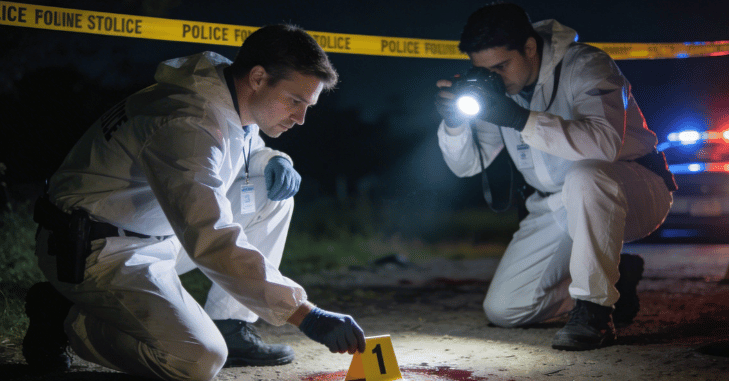
A Manslaughter Charge is a legal accusation brought against a person who has caused the death of another without premeditation or malice aforethought. Unlike murder, manslaughter in charge recognizes that the act may have occurred under circumstances such as extreme emotional distress, provocation, or reckless negligence.
These charges can be classified as voluntary or involuntary, depending on whether the death was intentional or unintentional, and they carry serious legal consequences, including imprisonment, fines, and other collateral effects.
Understanding what a manslaughter charge entails is essential for defendants, families, and legal professionals to navigate the criminal justice system effectively.
Types of Manslaughter
Manslaughter is a serious criminal offense, generally divided into voluntary and involuntary categories. Each type has its own legal definitions, circumstances, and consequences, which affect both charges and potential penalties. Understanding these distinctions is critical for navigating the criminal justice system.
Voluntary Manslaughter
Voluntary manslaughter occurs when a person intentionally causes the death of another, but under circumstances that lessen the crime from murder. This typically happens during moments of extreme emotional disturbance or provocation.
In these situations, the act is intentional but not premeditated, meaning it was not planned. The offender may have acted in the heat of the moment, often in response to an emotionally charged situation.
Examples
- Killing in the heat of an argument
- Reacting violently after discovering infidelity
Involuntary Manslaughter

Involuntary manslaughter involves an unintentional death caused by reckless or negligent actions. Unlike voluntary manslaughter, there is no intent to kill, but the offender’s careless behavior directly results in someone’s death.
This type of manslaughter often arises from failure to exercise reasonable care or adhere to safety standards.
Examples
- Fatal car accidents caused by reckless driving
- Negligence in operating dangerous machinery
Vehicular Manslaughter
Some jurisdictions classify vehicular manslaughter as a distinct category, particularly when a death occurs due to a motor vehicle incident involving gross negligence, distraction, or intoxication.
Vehicular manslaughter is often charged under involuntary manslaughter statutes and can carry severe penalties, especially in cases involving DUI or prior traffic violations.
Key points:
- Can be prosecuted under involuntary manslaughter laws
- Frequently involves DUI or reckless driving
- Penalties vary based on circumstances and criminal history
Legal Implications of Manslaughter Charges
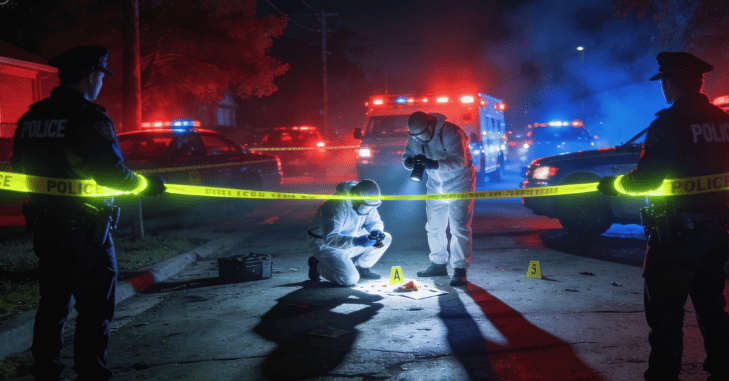
Being charged with manslaughter carries significant legal implications. Unlike murder, manslaughter acknowledges the absence of premeditation but still imposes severe consequences.
- Criminal Record: A manslaughter conviction can have lifelong consequences, including imprisonment and a permanent criminal record
- Civil Liability: Families of the deceased may file civil lawsuits seeking compensation
- Probation or Parole: Depending on jurisdiction and circumstances, offenders may be eligible for probation, parole, or reduced sentences
- Collateral Consequences: Employment restrictions, loss of professional licenses, and travel limitations may apply
Criminal Penalties for Manslaughter
Penalties for a Manslaughter Charge vary depending on the type of charge, the circumstances of the incident, and the defendant’s criminal history. Voluntary manslaughter typically carries imprisonment ranging from three to twenty years, fines that can reach tens of thousands of dollars, and, in rare cases with mitigating factors, probation.
Involuntary manslaughter usually results in imprisonment of one to ten years, with fines that vary by jurisdiction and, in less severe cases, may include community service. Sentences can be further influenced by aggravating factors such as the use of a deadly weapon, death of multiple victims, a prior criminal record, or the vulnerability of the victim, including children, the elderly, or disabled individuals.
Investigation Process for Manslaughter Cases
The investigation process in manslaughter cases is essential for establishing the facts, determining intent or negligence, and supporting both prosecution and defense strategies. A thorough and methodical investigation can significantly influence the outcome of a case.
Immediate Response
When a potential manslaughter incident occurs, law enforcement is the first to respond. Officers secure the scene to preserve evidence and ensure public safety.
Emergency medical services attend to any survivors, providing necessary medical care. At the same time, initial evidence is collected, including witness statements, forensic samples, and photographs. This early documentation is critical for building an accurate account of the event.
Evidence Collection
Collecting evidence is a key part of the investigation. Investigators focus on gathering all physical, forensic, and digital information relevant to the case.
- Physical Evidence: Weapons, blood, fingerprints, or objects involved in the incident.
- Forensic Analysis: Toxicology reports, autopsies, and ballistics to determine the cause of death.
- Digital Evidence: Surveillance footage, phone records, and GPS data that may provide insight into the events leading up to the death.
Witness Interviews
Eyewitnesses and individuals connected to the case provide critical context. Investigators interview friends, family members, and bystanders to clarify circumstances, determine intent, and assess negligence.
Investigation Reports
After gathering evidence and conducting interviews, law enforcement compiles detailed investigation reports for the prosecutor. These reports summarize the facts, outline potential legal violations, and help determine whether a Manslaughter Charge should be filed, and which type of manslaughter is most applicable.
Courtroom Procedures for Manslaughter Cases
Manslaughter cases follow a structured legal process, including arraignment, pre-trial motions, trial, and sentencing.
Arraignment
- The defendant is formally charged in court
- Bail may be set depending on risk and severity
Pre-Trial Motions
- Defense and prosecution may file motions to suppress evidence or dismiss charges
- Plea negotiations may occur to reduce charges or penalties
Trial
- Jury selection ensures a fair and impartial jury
- Opening statements outline each side’s case
- Presentation of evidence includes witness testimony, forensic reports, and exhibits
- Cross-examination allows each side to challenge the other’s evidence
- Closing arguments summarize key points to persuade the jury
Verdict and Sentencing
- The jury or judge delivers a verdict
- If convicted, the judge imposes a sentence based on statutory guidelines, aggravating or mitigating factors, and prior history
Effective Defense Strategies in Manslaughter Cases

- Lack of Intent: Argue that the death was accidental and emphasize the absence of malice
- Self-Defense or Defense of Others: Demonstrate actions were necessary to prevent imminent harm and proportionate to the threat
- Provocation: Evidence of severe provocation may reduce charges from murder to manslaughter
- Insufficient Evidence: Challenge the prosecution’s evidence regarding causation or responsibility
- Expert Testimony: Bring in forensic experts, psychologists, and accident reconstruction specialists to clarify circumstances
Mitigating Factors That Can Influence Sentencing

Several mitigating factors can reduce charges or sentencing severity:
- First-time offenders with no prior criminal history
- Voluntary surrender to authorities
- Demonstrated remorse and cooperation with the investigation
- Mental health issues that impair judgment
Conclusion
Facing a Manslaughter Charge is a serious and complex legal matter that requires careful understanding of the law, meticulous gathering of evidence, and strategic defense planning. From distinguishing between voluntary and involuntary manslaughter to navigating criminal penalties, courtroom procedures, and potential mitigating factors, the stakes are high for anyone involved.
Securing experienced legal representation, staying informed about the investigation process, and exploring effective defense strategies can make a crucial difference in the outcome of a case, helping defendants protect their rights and pursue the best possible resolution under the law.
Want to know about From Degree to Career: Criminal Justice Job Pathways Check out our Law category.
FAQs
formal charge of killing someone without intent or malice.
Vehicular, involuntary (unintentional because of carelessness), and voluntary (intended but unplanned).
Fines and other penalties vary by case; involuntary: 1–10 years; voluntary: 3–20 years.
Yes, by using defenses like provocation, self-defense, lack of purpose, or mitigating circumstances.

