Introduction
As we embrace 2025, a revolutionary trend is transforming the world of hair care and personal style: the Grey blending hair Revolution. This innovative approach to hair colouring has become the ultimate ticket to effortless elegance, allowing individuals to transition gracefully into their natural grey while maintaining a vibrant and youthful appearance. Gone are the days of harsh, all-over colour to conceal silver strands.
Instead, the art of grey blending offers a sophisticated solution that celebrates the beauty of greying hair while providing a seamless, low-maintenance look. This article delves into the techniques, benefits, and cultural impact of this game-changing hair trend, which redefines beauty standards and empowers people to age confidently and style.
| Key Concept | Seamless transition to natural grey hair |
| Main Technique | Highlights and lowlights |
| Popular Method | Balayage |
| Benefits | Low-maintenance, natural-looking, stylish |
| Target Audience | Those embracing their natural grey |
| Celebrity Influence | Significant in popularizing the trend |
| Social Media Impact | Communities sharing experiences and tips |
| Environmental Aspect | More eco-friendly than full-color treatments |
| Psychological Impact | Increased confidence and self-acceptance |
| Professional vs DIY | Both options available, professionally recommended |
| Maintenance | Regular touch-ups, purple shampoo, deep conditioning |
| Versatility | Adaptable to various hair types and colors |
| Future Outlook | Continued evolution with new technologies |
Why Grey Blending Hair Techniques Are Trending?
Grey blending hair techniques have become increasingly popular because they offer a stylish and low-maintenance way to embrace natural grey while enhancing overall hair aesthetics. Instead of fully covering grey strands, blending methods like soft highlights, balayage, or subtle lowlights work with the hair’s existing texture and tones to create a seamless transition between natural grey and colored sections.
This approach not only reduces the frequency of salon visits but also allows for a more versatile and age-inclusive look that suits a range of personal styles and preferences. By focusing on harmonizing grey with surrounding shades rather than concealing it, grey blending techniques provide a modern alternative for those seeking both practicality and a sophisticated finish.
The Grey Blending Revolution: A New Era of Hair Elegance
As we enter 2025, the grey-blending hair revolution has taken the beauty world by storm, offering a fresh perspective on ageing gracefully. This innovative approach to hair colouring has become the go-to choice for those seeking a seamless transition to their natural grey while maintaining a vibrant and youthful appearance.
Understanding The Grey Blending Hair Concept
Grey blending is an artful technique incorporating highlights and lowlights to create a harmonious fusion between coloured and grey hair. The result is a soft, natural-looking transition that exudes effortless elegance. Unlike traditional methods that aim to cover grey entirely, this approach celebrates silver strands while maintaining a multi-dimensional, lively look.
The Science Behind Grey Hair

To truly appreciate the grey-blending technique, it’s essential to understand the science of grey hair. As we age, our hair follicles produce less melanin, leading to a loss of pigment. This natural process is akin to leaves changing colour in autumn – a beautiful transition that must be embraced and enhanced.
Grey hair often has a different texture, typically drier and coarser, with tighter cuticles that can make colouring challenging. Professional colourists leverage this knowledge to create customized blending solutions that work with grey hair’s unique characteristics.
Techniques for Flawless Grey Blending
Highlights and Lowlights
Strategic highlighting and lowlighting are among the most effective methods for achieving a natural-looking grey blend. This technique creates dimension and softens the contrast between natural colour and grey roots. By combining lighter and darker shades, colourists can create a multi-dimensional look that mimics the natural variation in hair colour.
Balayage for Natural Transitions
The French-inspired method known as balayage, which translates to “painting” or “sweeping,” has gained significant traction as a preferred approach for seamlessly integrating grey hair in 2025. This hand-painting method creates a sun-kissed, natural look that’s particularly effective for blending grey hair. The freehand application allows for a more gradual and customized transition, making it ideal for those who want a low-maintenance yet chic style.
Herringbone Highlights

A specific technique gaining traction is “herringbone highlights.” This method involves applying traditional highlights in a zig-zag or v-shape pattern, creating a delicate blend between grey roots and existing hair colour. Some colourists even utilize two different highlight colours, both cool and warm tones, depending on the client’s pre-grey colour.
Professional vs. DIY Approaches
While professional colouring often yields the best results, many opt for DIY approaches to grey blending in 2025. Finding a stylist experienced in grey-blending techniques is crucial for those choosing the professional route. A skilled colourist can assess your hair’s unique characteristics and create a personalized plan for achieving your desired look.
For those preferring a DIY approach, numerous at-home colouring kits and techniques are specifically designed for grey blending. These often include specialized products with grey hair’s unique texture and pigmentation.
Maintaining Your Grey Blend
Proper maintenance is key to keeping your grey blend looking fresh and vibrant. Essential tips include:
- Use purple shampoo to neutralize brassy tones and enhance silver hues.
- Applying deep conditioning treatments regularly to combat dryness.
- Protecting hair from heat and UV damage.
- Incorporating omega-3 fatty acids into your diet for overall hair health.
Regular touch-ups may be necessary, but the frequency will depend on individual hair growth and the specific blending technique used.
The Psychological Impact of Embracing Grey
The grey-blending revolution goes beyond aesthetics; it’s about changing perceptions of ageing and beauty. After embracing their grey hair through blending techniques, many feel more confident and authentic. This shift in mindset aligns with broader societal trends towards self-acceptance and natural beauty.
Grey Blending for Different Hair Types and Colors
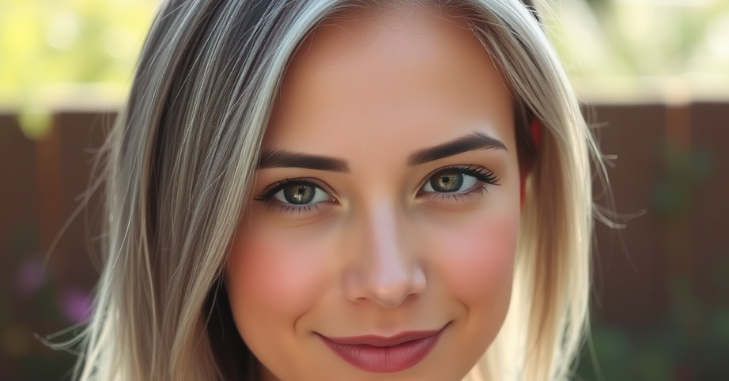
Grey blending is a versatile technique adapted to various hair types and colours. For those with dark hair, the transition to grey can be particularly striking, often resulting in a salt-and-pepper effect. The transition can be more subtle for lighter hair, with blonde highlights blending seamlessly with grey strands.
The Future of Grey Blending
As we look towards the future, grey blending is set to evolve even further. Innovations in hair colour technology are making it possible to achieve more natural-looking results with less damage to the hair. We’re also seeing a trend towards more creative and bold approaches to grey blending, with some opting for vivid colours mixed with their natural grey for a truly unique look.
Eco-Friendly Aspects of Grey Blending
In line with growing environmental consciousness, grey blending offers a more eco-friendly approach to hair care. Reducing the frequency of full-colour treatments minimizes harsh chemicals. It decreases water consumption associated with frequent hair washing and styling.
The grey blending revolution of 2025 is more than just a hair trend; it’s a movement towards embracing natural beauty and redefining elegance at every age. By working with, rather than against, the natural greying process, individuals are discovering a new sense of confidence and style that truly stands the test of time.
Read More: – An In-Depth Guide to the Best Hair and Nail Vitamins for Optimal Health and Growth, Sources, and Much More
Conclusion
The Grey Blending Hair Revolution of 2025 has ushered in a new era of hair elegance, challenging traditional notions of beauty and ageing. By embracing grey-blended hair, individuals achieve a stunning, natural look and make a powerful statement about self-acceptance and authenticity. This trend has transcended mere aesthetics, becoming a movement that celebrates the wisdom and grace that come with age.
As we look to the future, grey-blended hair is a testament to the evolving beauty standards prioritizing individuality and natural charm. Whether achieved through professional techniques or DIY methods, grey blending has proven to be more than just a fleeting trend – it’s a transformative approach to hair care that offers a perfect blend of style, confidence, and effortless elegance for years to come.
Apart from this, if you are interested to know more about “Understanding Curtain Bangs: A Versatile and Flattering Hairstyle Choice, Benefits, Maintenance, Style, And Much More“, then visit our “Fashion” category.
Frequently Asked Questions (FAQs)
A soft ash blonde or light brown works well to blend grey hair, as they harmonize with the natural silver tones. These shades provide a natural, low-maintenance look by camouflaging regrowth.
You can blend grey hair without dye by using colour-depositing shampoos or conditioners in shades close to your natural colour. Alternatively, embrace the grey and enhance its shine with purple shampoo to neutralize yellow tones.
Grey blending typically takes one to two hours, depending on your hair length and technique. For subtle results, methods like balayage or highlights may require multiple sessions.
When done properly and with professional care, grey blending is generally gentler than frequent full-coverage coloring.
Grey blending is a hair coloring technique that softens the appearance of grey hair by mixing it with complementary tones rather than fully covering it.